
Oil prices rebound after U.S. attacks Iran
After falling nearly 8% on Nov. 2, Brent crude rose almost 2% to $106.50 per barrel early Nov. 3 after the U.S. attacked Iran's Qeshm Island.
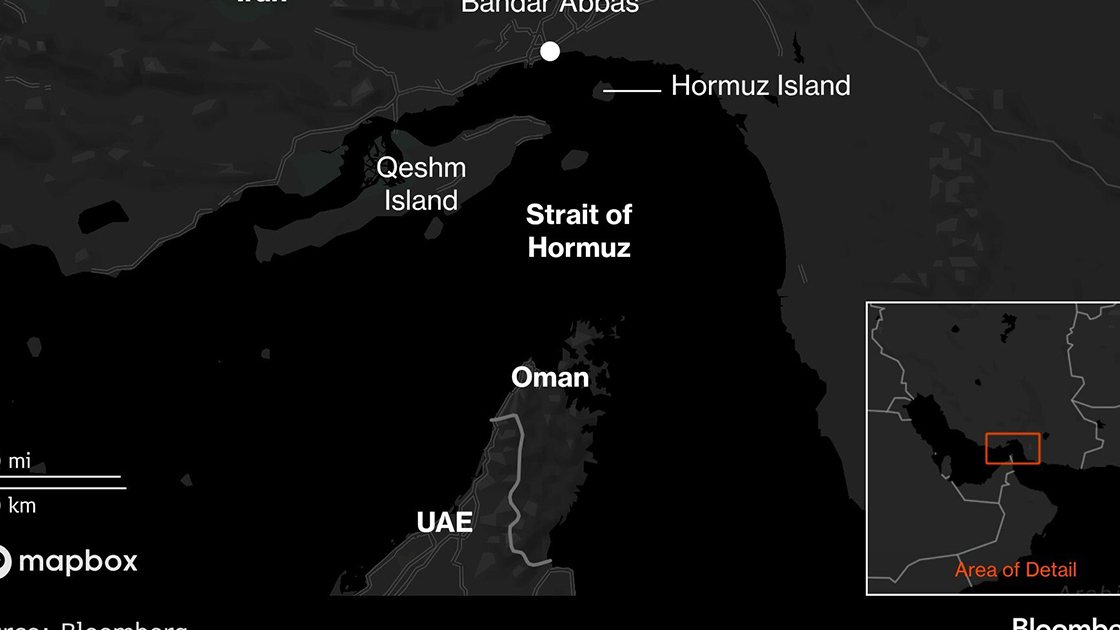
FRANKFURT, Germany — U.S. futures were mixed Nov. 3 ahead of the U.S. midterm elections and with concerns continuing to grow about the huge costs of expansion in the artificial intelligence sector. Oil prices rebounded from a sharp retreat to start the week after the United States conducted defensive strikes on Iranian targets in the Strait of Hormuz. The outcome of the vote could fundamentally reshape President Donald Trump's final two years in the White House. Republicans and Democrats are battling for control of Congress and key governors' offices at a time of widespread disaffection over high prices. The futures for the S&P 500 fell less than 0.1% and that for the Dow Jones Industrial Average dipped 0.5%. The Nasdaq composite gained 0.25%. It has been a mixed performance for indexes to start the week though the majority of stocks within the S&P 500 climbed as oil prices retreated. After falling nearly 8% on Nov. 2, Brent crude rose almost 2% to $106.50 per barrel early Nov. 3 after the U.S. attacked Iran's Qeshm Island. U.S. benchmark crude tumbled 8% to start the week, but rose 2% to reach $98.49 per barrel Nov. 3. Energy prices have been extremely vulnerable due to uncertainty over when the war with Iran will end. Bright flashes light up the night sky before loud explosions erupt on Iran's Qeshm Island, near the Strait of Hormuz. Eyewitness footage released Tuesday captures the blasts as a U.S. official confirms American forces carried out what were described as limited, defensive strikes on the island. Iranian state media…
This story was originally published by Transport Topics. Read the full story at Transport Topics →



Conversation