
Op-Ed: Ports May Only Have Seconds to React to a Cyber Attack
On August 19, 2021, attackers used a zero-day in a widely used password reset tool to reach a server at Port Houston. I was the Information Security O...
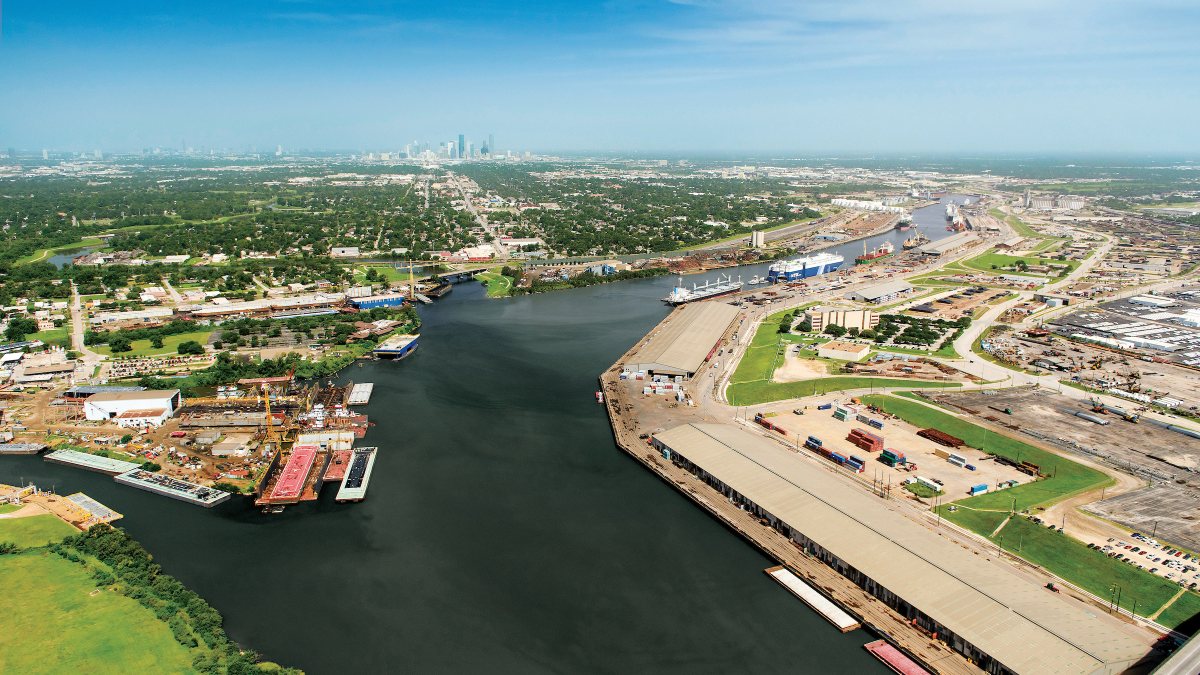
On August 19, 2021, attackers used a zero-day in a widely used password reset tool to reach a server at Port Houston. I was the Information Security Officer. We detected the intrusion, contained it, and reported it before it touched operations.
At the time, almost nobody knew who was behind it. Nearly two years later, Microsoft and allied agencies identified a PRC state-sponsored group, Volt Typhoon. Microsoft and federal officials have since described the Port Houston intrusion as the initial discovery that started that investigation. CISA has warned that the same group is pre-positioning inside U.S. critical infrastructure.
Five years later, two things have changed for every U.S. port, terminal, and vessel operator regulated under the Maritime Transportation Security Act. Attackers move much faster, and what was guidance in 2021 is now regulation.
CrowdStrike’s 2026 Global Threat Report recorded an attacker moving from a first foothold to other systems in 27 seconds. Two years earlier, the fastest it had seen was just over two minutes. Mandiant’s M-Trends 2026 puts the average time to exploit a vulnerability at negative seven days—meaning the most serious flaws are being used before a patch exists.
This story was originally published by The Maritime Executive. Read the full story at The Maritime Executive →


Conversation