
Op-Ed: Why the UN's Shipping Agency Must Adopt Its Climate Agreement
The global shipping sector makes up 2-3% of global greenhouse gas emissions - pumping one billion tonnes of GHGs into the atmosphere every year, as mu...
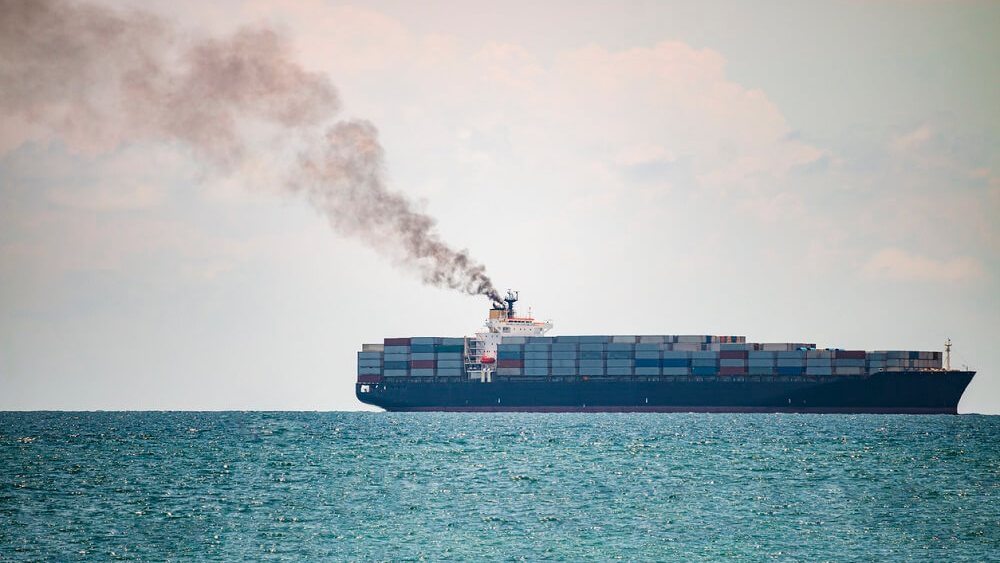
The global shipping sector makes up 2-3% of global greenhouse gas emissions - pumping one billion tonnes of GHGs into the atmosphere every year, as much as the world's fifth-biggest emitting country, Japan. The UN shipping agency, the International Maritime Organization, has committed to cutting emissions through its GHG Strategy goal, with a goal of reaching net-zero by 2050.
Crucial to achieving this is the Net-Zero Framework (NZF) - the IMO’s long-negotiated mechanism for reducing shipping emissions. The IMO must adopt this framework before the end of the year, during its upcoming meeting in London.
The NZF has been stalled since October of 2025, when a handful of countries, led by the United States and Saudi Arabia, blocked adoption. Several delegations supportive of the deal said that they received intimidation and threats from US officials representing the Trump Administration.
That pressure resulted in postponement. As this next IMO meeting approaches, momentous midterm elections have changed the country’s political landscape. For now, it remains unclear whether the US will return to the IMO with the same tactics.
This story was originally published by The Maritime Executive. Read the full story at The Maritime Executive →


Conversation