
Partitioning for an Adaptable Warehouse
Flexibility is becoming the defining feature of modern logistics facilities, writes Scott Fullerton, Operations Manager, AKON Curtains Limited. For most of the last century, a warehouse was a fixed thing. You built the shell,…
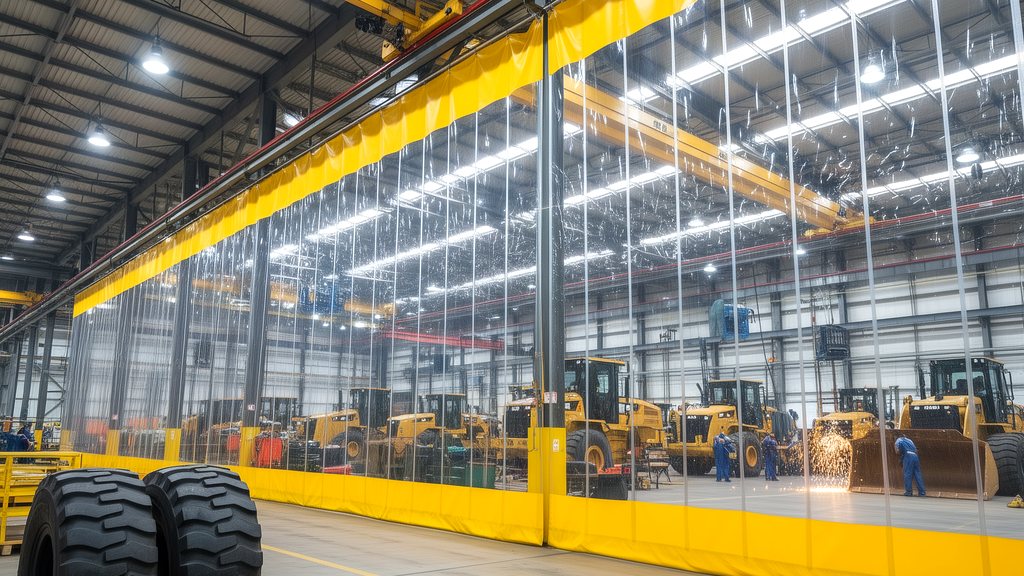
Flexibility is becoming the defining feature of modern logistics facilities, writes Scott Fullerton, Operations Manager, AKON Curtains Limited.
For most of the last century, a warehouse was a fixed thing. You built the shell, fitted it out for a purpose, and ran it that way for decades. That model is quietly disappearing. The logistics facility of the next decade will be defined less by how it was built and more by how easily it can be changed, and that shift has real consequences for how operators think about the physical fabric of their buildings.
The pressures driving this are familiar to anyone running a distribution operation. Fulfilment models change faster than they used to. Seasonal peaks demand capacity that sits idle for the rest of the year. Product mixes shift, temperature requirements expand and contract, and the same floor area might need to serve ambient storage one quarter and chilled fulfilment the next. Layered on top is an unforgiving energy and sustainability agenda that makes the old approach, condition the whole building and hope for the best, look increasingly indefensible.
The result is that adaptability has moved from a nice-to-have to a core operational requirement. And while much of the conversation about the ‘warehouse of the future’ focuses on automation, robotics, and software, there is a less glamorous but equally important dimension: the physical reconfigurability of the space itself.
This story was originally published by Logistics Business. Read the full story at Logistics Business →



Conversation