
PIL uses liquefied biomethane for first time, with carbon emissions expected to be over 70% lower
Singapore’s Pacific International Lines (PIL) has partnered with Qingdao Port Group to bunker a vessel on international voyages with liquefied biomethane (LBM) in China for the first time, advancing efforts to decarbonise its fleet.…
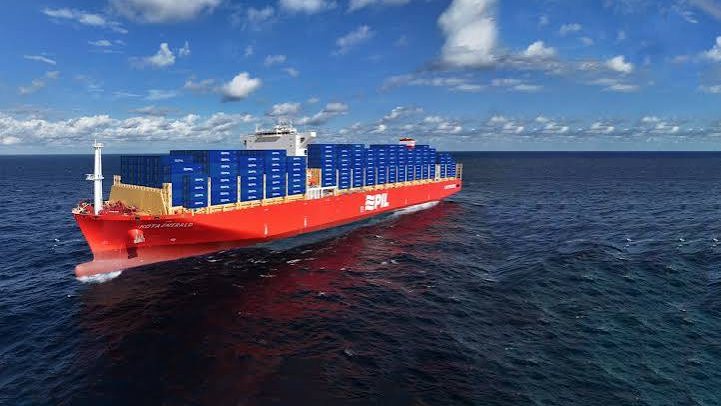
Singapore’s Pacific International Lines (PIL) has partnered with Qingdao Port Group to bunker a vessel on international voyages with liquefied biomethane (LBM) in China for the first time, advancing efforts to decarbonise its fleet.
PIL said in a statement on Wednesday (25 November) that its liquefied natural gas (LNG) dual-fuel container ship Kota Odyssey had been bunkered by tanker truck at Qingdao Port’s QQCTN terminal with liquefied biomethane certified under the International Sustainability and Carbon Certification (ISCC) scheme. This was also PIL’s first use of the fuel.
Pacific International Lines (PIL) described this as an important step towards decarbonising the maritime industry. Measured across the full lifecycle, from fuel production to use on board the vessel, carbon emissions from this batch of fuel are expected to be more than 70% lower than those from conventional fuel oil.
Liquefied biomethane, also known as bio-LNG, is a renewable fuel made from organic feedstocks. It can be used directly in PIL’s existing LNG dual-fuel vessels without modifications to onboard equipment.
This story was originally published by Shipping Herald. Read the full story at Shipping Herald →


Conversation