
Port of Long Beach, coalition aims for electricity to power 35% of shipping by 2035
Multinational framework calls for electricity to meet a larger share of international shipping’s energy demand in the coming years.
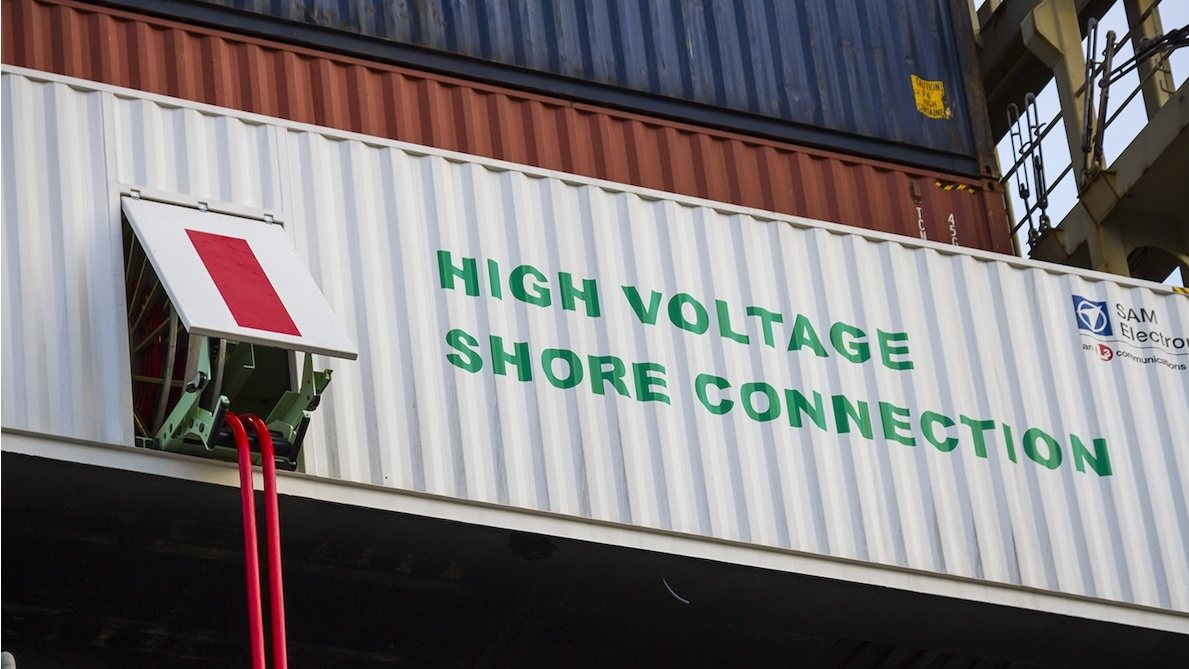
The Port of Long Beach is among the ports highlighted in a maritime electrification proposal that calls for electricity to supply at least 35% of international shipping’s final energy demand by 2035, placing shore-power infrastructure at the center of a broader effort to reduce fossil-fuel use.
The “Maritime Electrification Breakthrough Goal,” released today at a climate conference in Ankara, identifies Long Beach alongside Los Angeles, Seattle and Miami as North American examples of extensive shore-power deployment. Those systems supply electricity to docked vessels through high-voltage connections, primarily serving container and cruise berths, according to the document.
The announcement came as part of the coalition co-convened in Ankara by Turkey and Australia. The proposal presents existing port infrastructure as a foundation for a larger transition involving battery-powered ships, expanded electricity networks and renewable generation.
The framework comes as the United Nations’ International Maritime Organization’s debates adoption of the Net-Zero Framework, a global policy aimed at driving increased usage of alternative energy on ships, Nov. 23 in London.
This story was originally published by FreightWaves. Read the full story at FreightWaves →


Conversation