
Ports Urged To Start Planning For Nuclear-Powered Ship Calls And Floating Power Units
Ports should begin structured planning for advanced nuclear technology now, treating it as a long-term infrastructure and operating-model question rather than a new marine fuel, according to a new joint paper from the British…
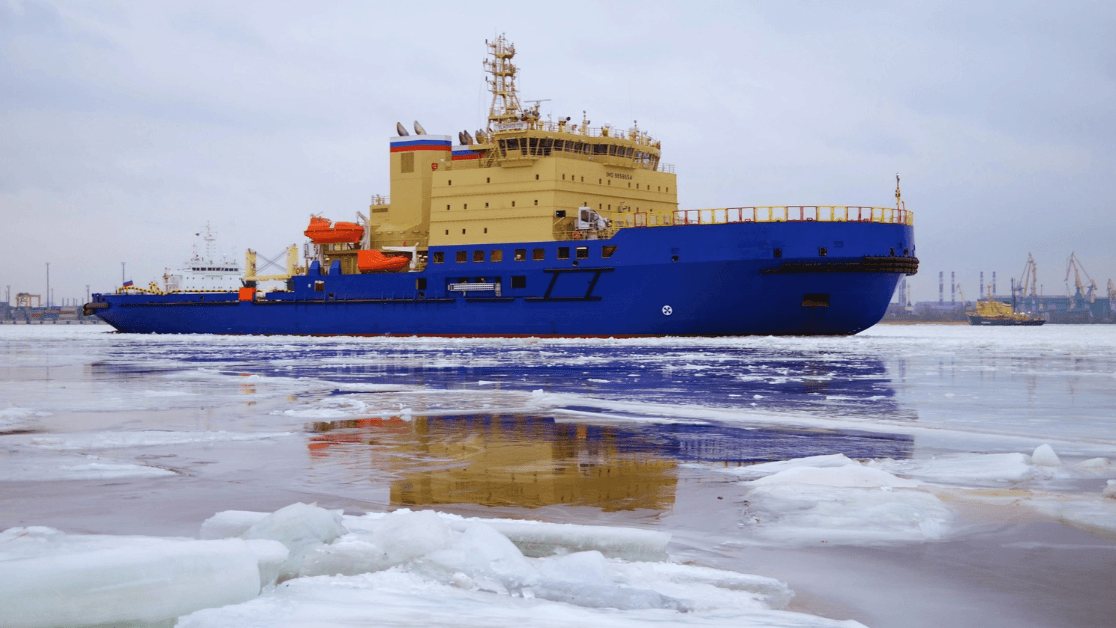
Advanced Nuclear Technology Use Within Port Environments outlines how nuclear could support ports’ growing demand for reliable, low-carbon power while creating new maritime and industrial opportunities. Potential applications include nuclear-powered ship calls, floating or transportable nuclear power units, and land-based small modular reactors or microreactors to power port operations and support fuel production.
The report finds that the most significant barriers are not solely technical. Regulatory alignment, governance, emergency preparedness, liability, insurance, workforce capability and public confidence will all be critical to safe and commercially viable deployment.
It calls on ports to integrate nuclear scenarios into their established marine safety-management systems, rather than create a parallel regime. Existing disciplines used to manage dangerous goods, hazardous cargoes, security zones and high-consequence operations provide a strong foundation, but will need additional nuclear-specific evidence, competence, monitoring and regulatory interfaces.
For ports, the opportunity extends beyond accommodating nuclear-powered vessels. Advanced reactors could provide baseload electricity for port estates, shore power, cargo-handling equipment, cold storage and neighbouring industry, as well as heat and electricity for hydrogen and synthetic fuel production. Ports could also develop high-value capabilities in shipbuilding, reactor-module integration, inspection, maintenance, specialist logistics and decommissioning.
This story was originally published by Marine Insight. Read the full story at Marine Insight →
Conversation