
Preparing the loading area for peak season performance
Sequencing buffers and automated trailer loading help keep freight moving, reduce loading delays and improve vehicle turnaround during seasonal peaks. Automated Trailer Loading Systems (ATLS) can cut loading times from 30–45 minutes to as…
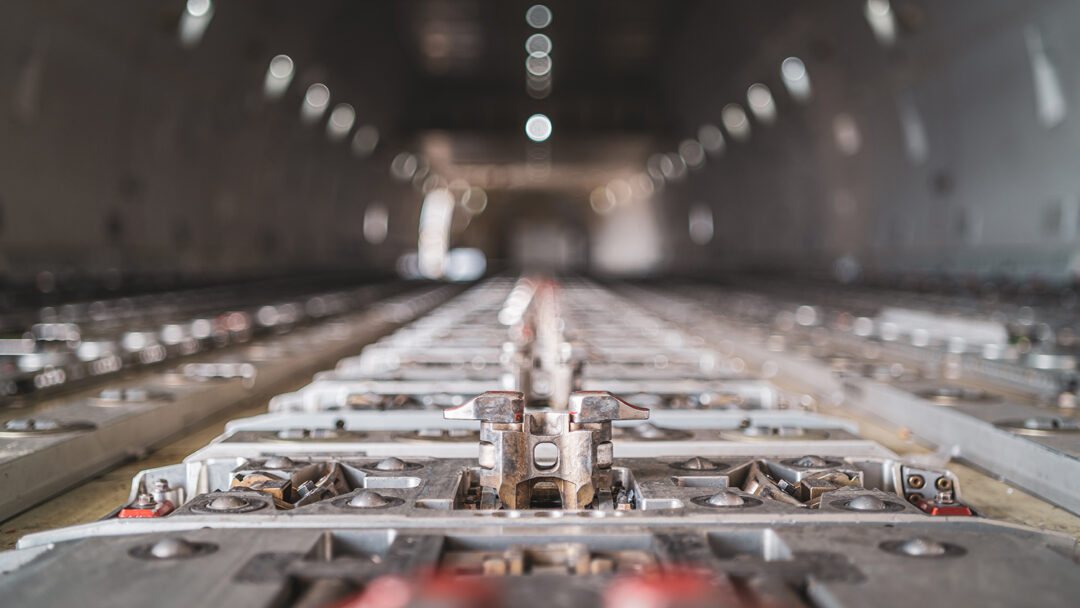
Preparations across retail, e-commerce and fulfilment for seasonal peaks such as Black Friday and Christmas will always factor in processes such as picking and packing. However, if freight is ready to go but trailers are still queueing, how much extra volume can a site actually despatch?
The loading area should also be a consideration, within which, three things are particularly important: whether loads are ready when vehicles arrive, how quickly freight can be moved on and off of the trailer, and whether the extra volumes can be handled safely.
If vehicles regularly dock before freight is ready to be loaded into the trailer, valuable time is lost from the supply chain, which is especially noticeable during periods of peak demand when every second counts.
A sequencing buffer gives warehouse teams a dedicated place to assemble and store complete loads ahead of collection so that freight can be brought forward in loading order as soon as the trailer is ready. This, alongside wider loading and the automation of processes, can contribute to sites using fewer bays for the same outbound volume and quickly scale up to make use of additional bays when required.
This story was originally published by Air Cargo Week. Read the full story at Air Cargo Week →


Conversation