
Rail coal transportation in Kazakhstan reaches 86.7 million tonnes in the first ten months of 2026.
Rail coal transportation volumes in Kazakhstan reached 86.7 million tonnes in January–October 2026, representing a 1% increase compared with the same period last year. According to Rail-news.kz, export shipments accounted…
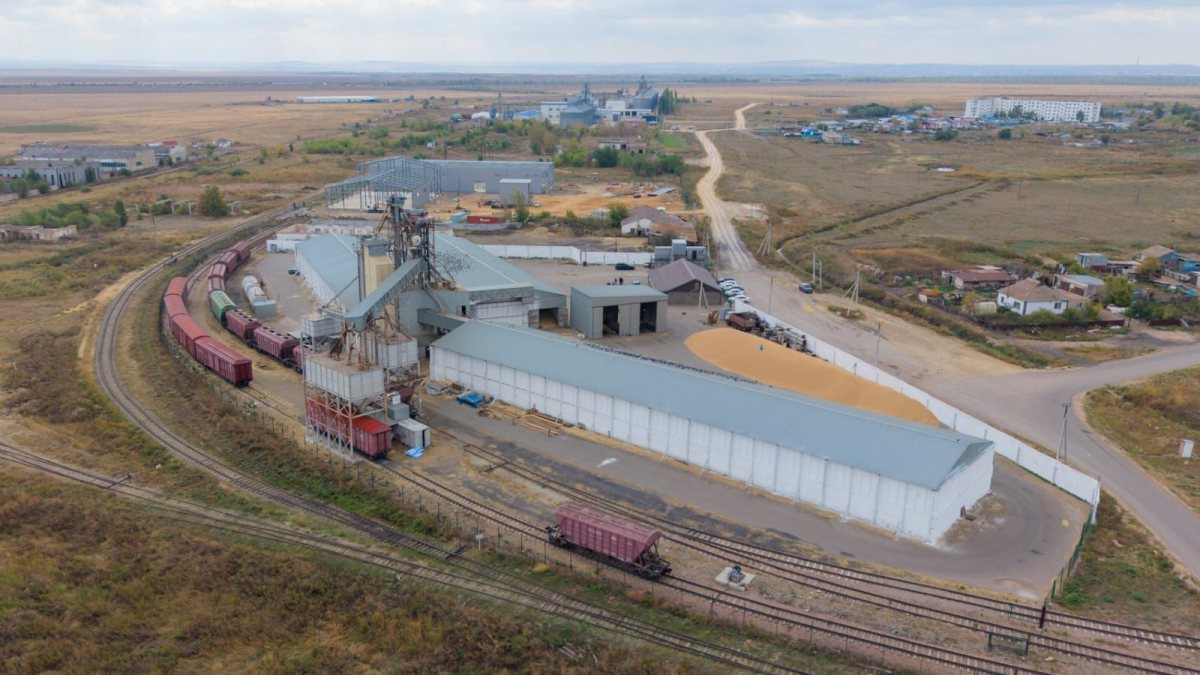
Rail coal transportation volumes in Kazakhstan reached 86.7 million tonnes in January–October 2026, representing a 1% increase compared with the same period last year. According to Rail-news.kz, export shipments accounted for 28 million tonnes, remaining unchanged from 2025. The domestic market generated the majority of traffic, with volumes rising by 2% to 58.6 million tonnes. Of this total, 54.5 million tonnes of coal were delivered to combined heat and power plants, while another 4.1 million tonnes were transported to meet household and municipal heating needs.
Ensuring stable fuel supplies during preparations for and throughout the heating season remains a key priority for Kazakhstan’s railway sector. Between May and October 2026, the country’s rail network transported 35 million tonnes of coal, matching the volume recorded during the corresponding period last year. Energy facilities were the main recipients, receiving 32 million tonnes, while an additional 3 million tonnes were allocated to municipal and household consumption.
To maintain uninterrupted coal transportation, Kazakhstan’s rolling stock operator Kaztemirtrans deploys a fleet of 29,000 open-top freight wagons. The available capacity enables the company to meet current transportation demand from energy producers, municipal services and other consumers. Stable railway deliveries remain essential for building sufficient fuel reserves and supporting the reliable operation of Kazakhstan’s heating infrastructure throughout the winter season.
Source: https://rail-news.kz/ru
The post Rail coal transportation in Kazakhstan reaches 86.7 million tonnes in the first ten months of 2026. appeared first on Transport Corridors.
This story was originally published by TransportCorridors. Read the full story at TransportCorridors →


Conversation