
Rail Merger Risks Soaring Costs for Small Shippers
The proposed rail merger between Union Pacific and Norfolk Southern is sparking major concerns for chemical distributors. Eric Byer, CEO of the Alliance for Chemical Distribution, reveals how increased consolidation could cripple small, family-run…
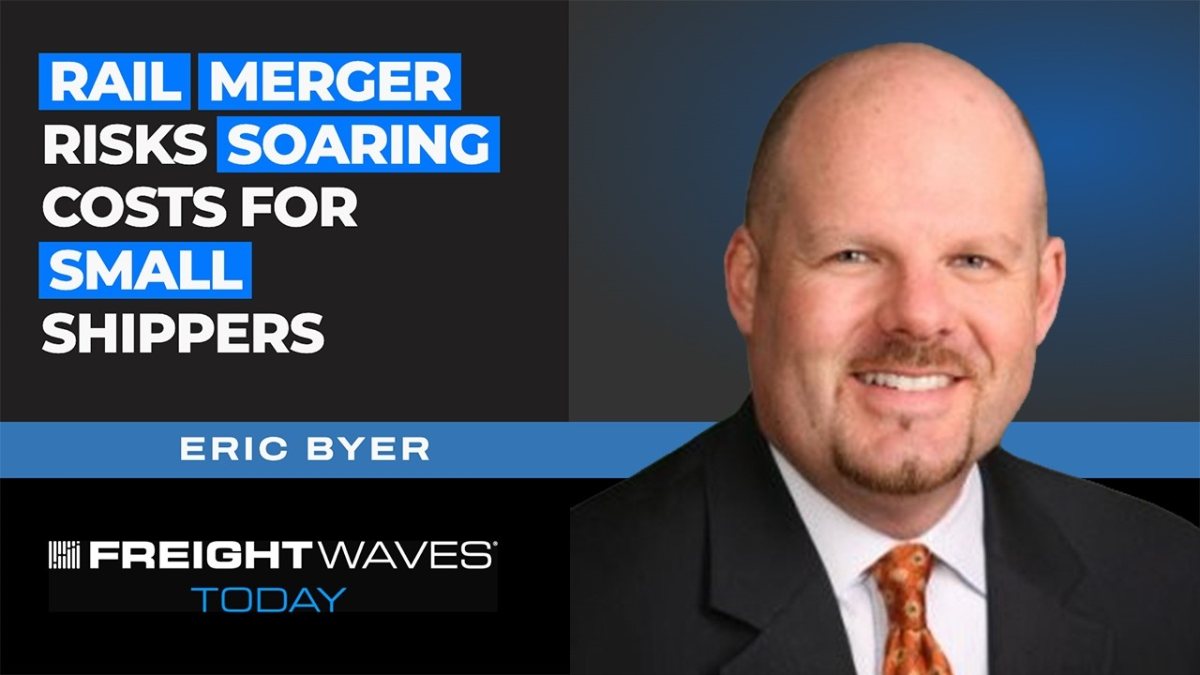
The proposed rail merger between Union Pacific and Norfolk Southern is sparking major concerns for chemical distributors. Eric Byer, CEO of the Alliance for Chemical Distribution, reveals how increased consolidation could cripple small, family-run businesses already battling limited competition, rising costs, and poor service. Discover the hidden impacts on your supply chain.
The Alliance for Chemical Distribution (ACD) has emerged as one of the loudest critics of the proposed Union Pacific–Norfolk Southern merger, arguing that consolidating what could amount to 40% to 46% of U.S. rail freight under a single operator would devastate small, captive chemical shippers who have no alternative carrier options. Eric Byer, CEO of the ACD, said the organization’s odds of blocking the deal have shifted dramatically — from a 1-in-10 long shot to what he now assesses as a 50/50, or even 60/40, chance in the opponents’ favor.
The ACD represents hundreds of small chemical manufacturers and distributors, many of them family-run businesses with annual sales around $35 million and workforces of 25 to 30 employees. Roughly two-thirds of members now do some form of manufacturing — blending or mixing — in addition to their core distribution work, Byer said, making reliable, competitively priced rail access a matter of business survival.
Member dissatisfaction with existing rail service is already rising sharply. Nearly 40% of ACD members reported unsatisfactory rail service in the group’s most recent survey, up from roughly 25% in early 2025. Byer attributed the jump to lack of competition, poor customer service, and last-mile problems — including unresolved disputes between management and union workers at local rail yards.
This story was originally published by FreightWaves. Read the full story at FreightWaves →
Conversation