
Report from Containertrends conference: Automation is not a one-size-fits-all solution
Automation can help terminals increase capacity without expanding their footprint. However, its benefits depend on operational flexibility, workforce skills and coordination across the supply chain.
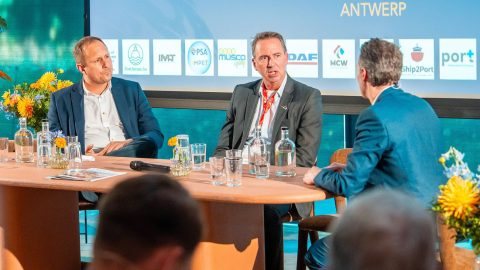
Automation can help terminals increase capacity without expanding their footprint. However, its benefits depend on operational flexibility, workforce skills and coordination across the supply chain.
These were among the main topics discussed at a session entitled The impact of terminal automation, held at the Containertrends conference, organised by WorldCargo News’ sister publication Flows in Antwerp in October 2026.
For DP World Antwerp, automation has become a means of addressing one of the port’s main constraints: limited space. Michel Marstboom, CCO, explained that optimising existing facilities is increasingly preferable to developing new land in a densely populated and industrialised area. He also highlighted the growing complexity and cost of port expansion, including environmental studies, compensation measures and regulatory requirements. In his view, terminals have a responsibility to make better use of existing land before seeking additional space.
However, Marstboom cautioned that terminals handling highly seasonal or fluctuating cargo volumes may need greater operational flexibility than fully automated facilities can offer. The appropriate level of automation depends on operating conditions, existing infrastructure and capacity requirements.
This story was originally published by World Cargo News. Read the full story at World Cargo News →
Conversation