
Researchers use satellite imagery to predict climate-related supply chain disruptions
A global research consortium slated to be held in Dubai this month will include research using satellite imagery to identify and predict climate-related disruption to global supply chains, helping organizations better anticipate risks to…
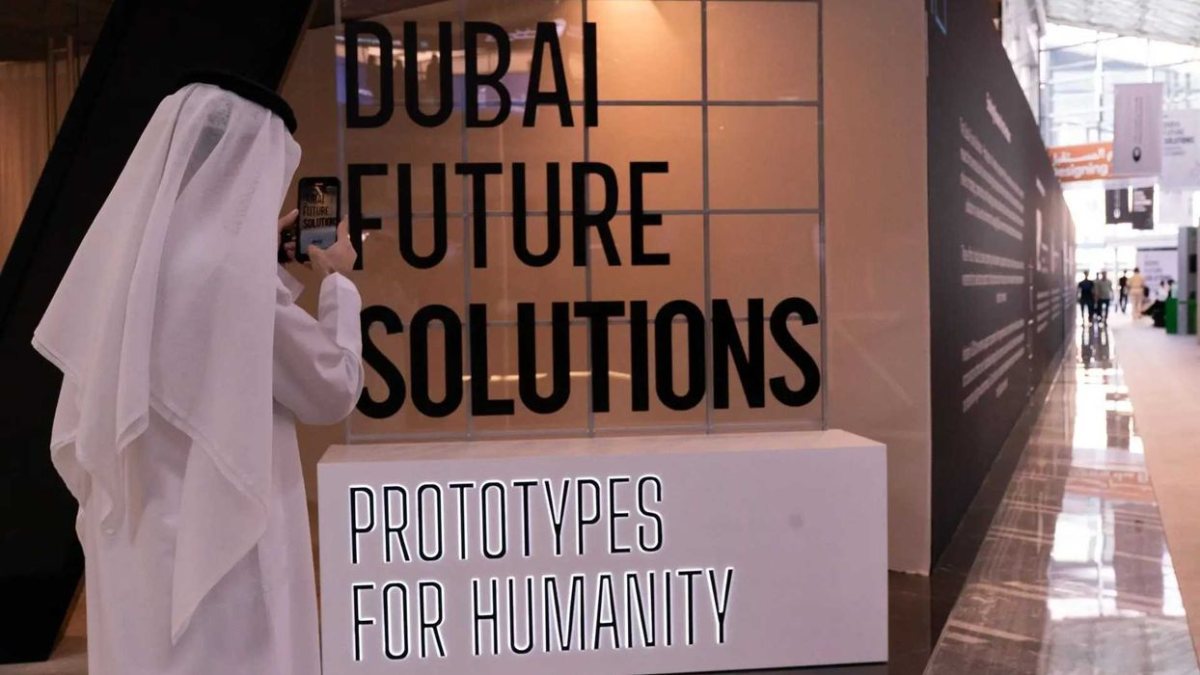
A global research consortium slated to be held in Dubai this month will include research using satellite imagery to identify and predict climate-related disruption to global supply chains, helping organizations better anticipate risks to critical transport and logistics networks.
The project will be one of the papers presented at Prototypes for Humanity, the innovation arm of Art Dubai Group that is supported by ICD (Investment Corporation of Dubai). The organization this week announced its 2026 Short Papers Platform, a strategic partnership among researchers from 49 universities across the world that will convene in Dubai from November 17–20.
In addition to that paper presented under the Mobility and Logistics track, additional reports will be filed under topics including: Wellbeing and Human Performance; Infrastructures and Cities; Autonomous Systems and Advanced Manufacturing; Environment, Sustainability and Energy; Socio-Economic Empowerment, Digital Economies and Future Markets; and Open and Speculative.
The paper presented under the Autonomous Systems and Advanced Manufacturing track will study how emerging technologies are reshaping the way people interact with machines and digital environments. Researchers plan to present a physical AI system called ORION that teaches workers to operate new industrial equipment. ORION writes its own training sessions for each machine, demonstrates every step on the hardware, and uses EEG to track how hard the learner is concentrating, adjusting the pace as it goes. The aim is to cut training cycles that can take around six months per type of equipment.
This story was originally published by Supply Chain Quarterly. Read the full story at Supply Chain Quarterly →

Conversation