
Route optimisation emerges as the frontrunner in making logistics more sustainable
Route optimisation, supply chain optimisation and increasing operational efficiency are among the most widely used and effective solutions worldwide for...
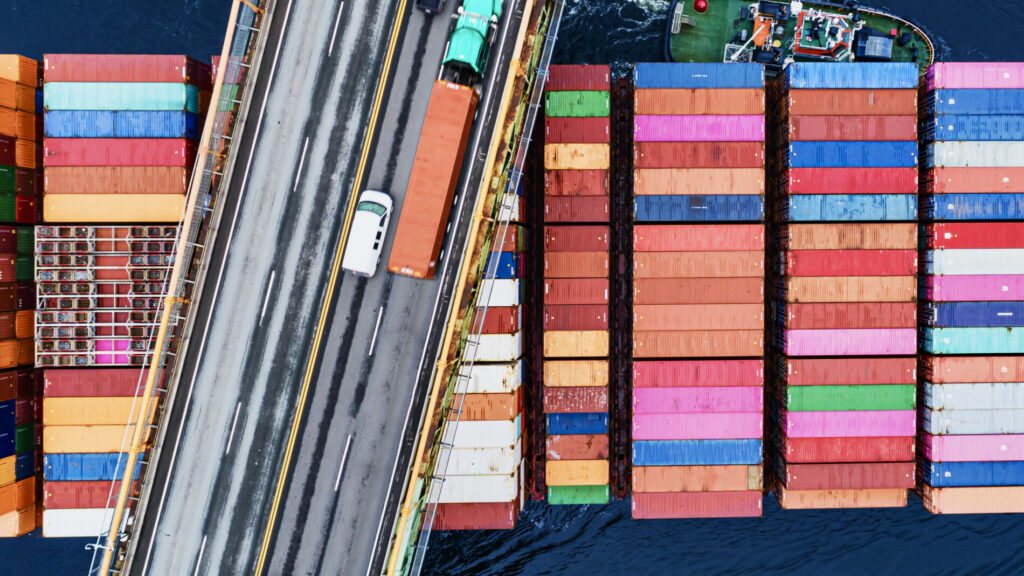
Route optimisation, supply chain optimisation and increasing operational efficiency are among the most widely used and effective solutions worldwide for making logistics more sustainable. According to logistics professionals, more capital-intensive solutions, such as electrification and alternative fuels, are almost as effective but are used far less frequently. It also appears that the bottleneck in making logistics more sustainable is not a lack of support, but primarily practical feasibility. This is the conclusion reached by Kühne Logistics University (KLU) in its new ‘2026 Global Sustainable Logistics Survey’.
The study, based on 1,085 respondents from 64 countries, compared 21 solutions across four categories. Of these, Operational & Supply Chain Solutions scored highest as a group in terms of both adoption and effectiveness. These include modal shift, route optimisation, supply chain optimisation, operational efficiency, and reverse & circular logistics. Route and supply chain optimisation, in particular, combine high effectiveness with a high degree of adoption.
This is relevant for managers because many of these solutions do not require major capital investment and can pay for themselves. Route optimisation, for example, encompasses dynamic route planning using GPS, AI-based routing and avoiding congestion using live data. Supply chain optimisation includes, amongst other things, stock pooling, collaboration between suppliers and order management, whilst operational efficiency comprises, for instance, automated loading and improved load factors.
This story was originally published by Supply Chain Movement. Read the full story at Supply Chain Movement →



Conversation