
Russia's Kaliningrad Exclave Survives Through Shipping
Control of the Baltic Sea has always been important to Russia’s national security. The Baltic borders oil export terminals at Ust-Luga and Primorsk, a...
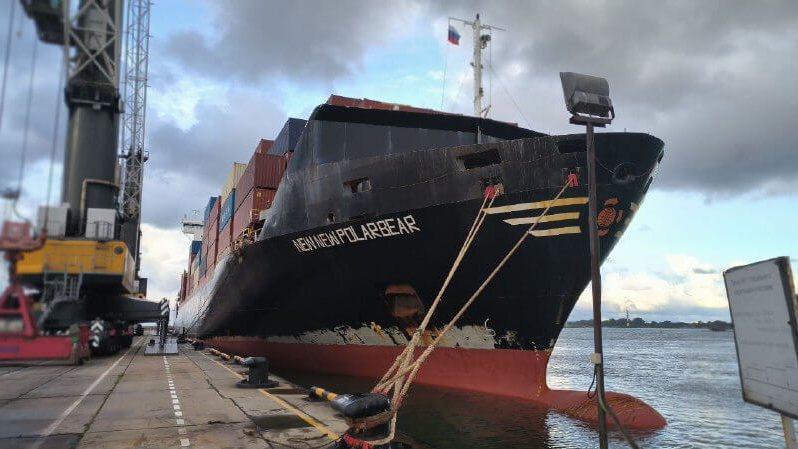
Control of the Baltic Sea has always been important to Russia’s national security. The Baltic borders oil export terminals at Ust-Luga and Primorsk, and President Putin’s hometown of St. Petersburg.
Historically, when the Russian Navy has lost control of the Baltic, then the Russian littoral is threatened – as it was in 1919, when the monitor HMS Erebus (I02) saw off the Bolshevik threat and helped secure Estonian independence. Vital to Russia’s grip on the Baltic is the exclave of Kaliningrad, in particular because Baltiysk is ice-free year round.
Kaliningrad is well defended, with S-400 air defenses, Iskander-M ballistic missiles and the radar site at Pionersky covering not just Kaliningrad, but also northeast Poland and the Baltic States. When they are not fighting in Ukraine, Russia's 11th Army Corps and 120th Guards Naval Infantry Division cover the land border with Lithuania and Poland. But the key defensive asset is the Baltic Fleet, which is headquartered at Baltiysk, armed and resupplied from the naval arsenal at Svetlyi.
This considerable defensive footprint needs to be maintained and sustained, and since Russia’s invasion of Ukraine this has become more of a challenge. Starting with the second round of European Union sanctions against Russia imposed on February 24, 2022, sanctioned and dual-use materials have been denied entry to Kaliningrad across road borders, and on the rail link from Russia via Belarus, which enters Kaliningrad through Lithuania.
This story was originally published by The Maritime Executive. Read the full story at The Maritime Executive →
Conversation