
Shipping Faces “Patchwork of Decarbonisation Rules”
Shipping risks a costly patchwork of national and regional climate regulations unless member states of the International Maritime Organization (IMO) adopt its proposed Net-Zero Framework. The warning comes from maritime technology company PortXchange, ahead…
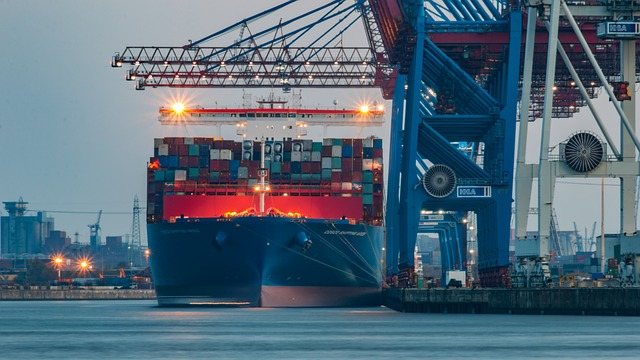
Shipping risks a costly patchwork of national and regional climate regulations unless member states of the International Maritime Organization (IMO) adopt its proposed Net-Zero Framework. The warning comes from maritime technology company PortXchange, ahead of a crucial IMO meeting following the failure of COP31 in Antalya to reach a final agreement on climate action.
COP31 closed on 22 November without an agreed final text. IMO member states now face their own decision at the 85th session of the Marine Environment Protection Committee (MEPC 85), scheduled for 30 November to 3 December, followed by a resumed extraordinary session on 4 December. An earlier attempt to adopt the framework was postponed in October 2025, following opposition and threats of trade measures from the United States.
“COP and the IMO are watching the same film,” said Sjoerd de Jager, Managing Director and Co-Founder of PortXchange. “A handful of countries whose economies run on oil and gas are blocking what most of the world has already said it wants. At COP they deleted the words. At the IMO, they went further and threatened the trade of anyone who voted the other way.”
The delay is already having consequences for shipping’s transition to lower-emission fuels, according to research cited by PortXchange. The UCL Energy Institute and Getting to Zero Coalition’s Climate Action in Shipping 2026 report describes last year’s failure to adopt the framework as “the single most transition-regressive event” in its five years of tracking.
This story was originally published by Logistics Business. Read the full story at Logistics Business →



Conversation