
Solar-powered hubs emerge as Africa’s logistics solution
Africa's logistics sector is increasingly adopting solar power to improve energy reliability, cut costs, and support more sustainable operations across warehouses, logistics parks, and distribution centres. Unreliable electricity supplies and rising energy costs are…
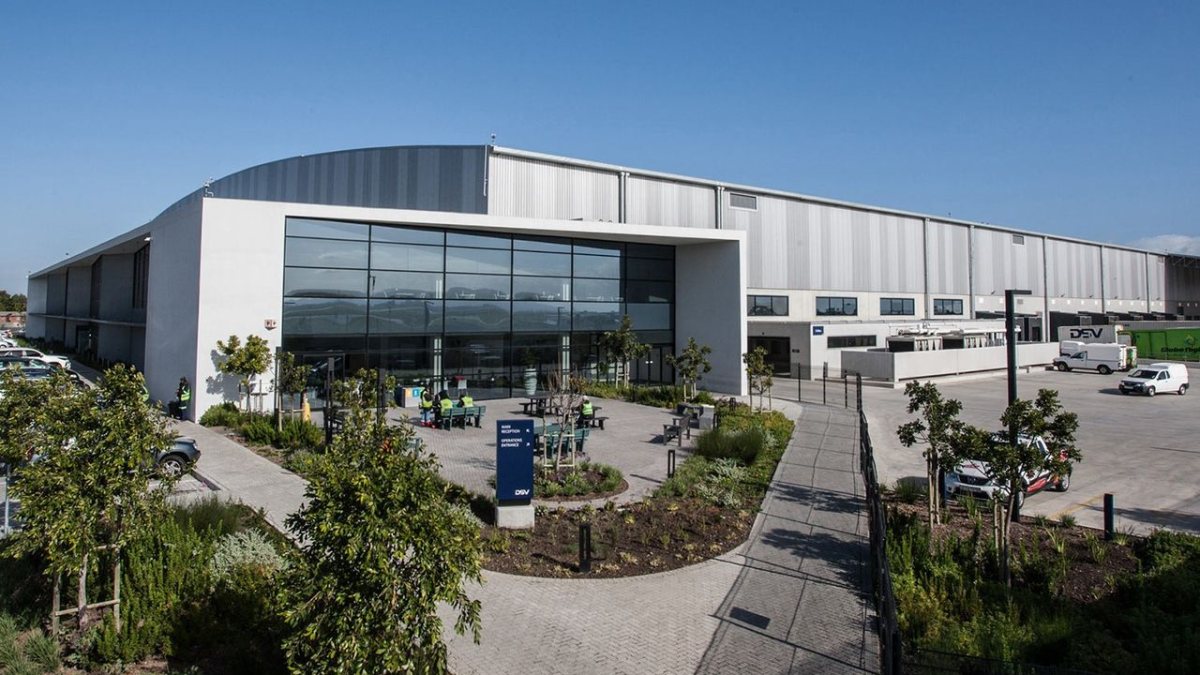
Africa's logistics sector is increasingly adopting solar power to improve energy reliability, cut costs, and support more sustainable operations across warehouses, logistics parks, and distribution centres. Unreliable electricity supplies and rising energy costs are disrupting operations, so logistics hubs are investing in solar generation and battery storage to ensure uninterrupted power.
According to the World Bank's 2025 Enterprise Surveys, 72.1% of businesses in sub-Saharan Africa experience power outages, with firms reporting an average of 7.6 interruptions a month, lasting around 1.9 hours each. The data also show that 51.1% of firms in the region own or share a generator to manage supply disruptions.
Are energy reliability, rising electricity costs or sustainability targets one of the key reasons driving logistics operators to invest in solar power?
Marnus Botha, MD, South Africa at DHL Supply Chain, said that the three priorities are closely interconnected and cannot be viewed in isolation. While reducing emissions remains important, the most effective renewable-energy investments are those that also improve operational performance. For Africa's logistics sector, this means securing a reliable and predictable energy supply, controlling costs and minimising environmental impact simultaneously.
This story was originally published by Logistics Update Africa. Read the full story at Logistics Update Africa →


Conversation