
Tackling fraudulent registries together
IMO Secretary-General highlights need to identify suspicious activity and combat fraud. Strong national systems and international information sharing are crucial to tackling fraudulent registries and fraudulent ship registration practices, to…
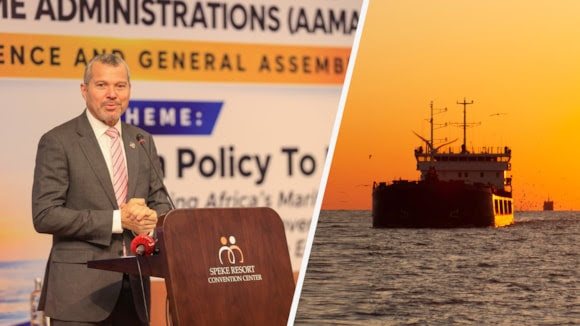
Data submitted to IMO and a 2024 study by World Maritime University (WMU), the IMO International Maritime Law Institute (IMLI) and the UN Trade and Development (UNCTAD) have documented the extent of the issue and emphasized the need for appropriate action.
Criminal networks have become increasingly sophisticated. Fraudulent registry operators can create convincing websites, issue forged registration certificates, submit falsified documentation, and misrepresent themselves as legitimate representatives of maritime administrations. In some cases, countries that do not even operate international ship registries have discovered vessels claiming their nationality.
Fraudulent ship registrations and fraudulent registries threaten maritime safety, environmental protection, security, the rule of law, and the welfare of seafarers. They provide opportunities for criminals to evade oversight, conceal ownership, bypass sanctions, avoid regulatory compliance, and engage in illegal activities under the cover of legitimacy.
“The vast majority of those who operate in the maritime sector do so responsibly. They deserve a system that rewards compliance, transparency, and accountability. Fraudulent registries undermine all three.
This story was originally published by All About Shipping. Read the full story at All About Shipping →



Conversation