
TenneT and NKT Jointly Explore Offshore Cable Decommissioning
Offshore cable decommissioning is technically feasible and can support CO2 reduction, but the economics depend on a number of factors, a joint...
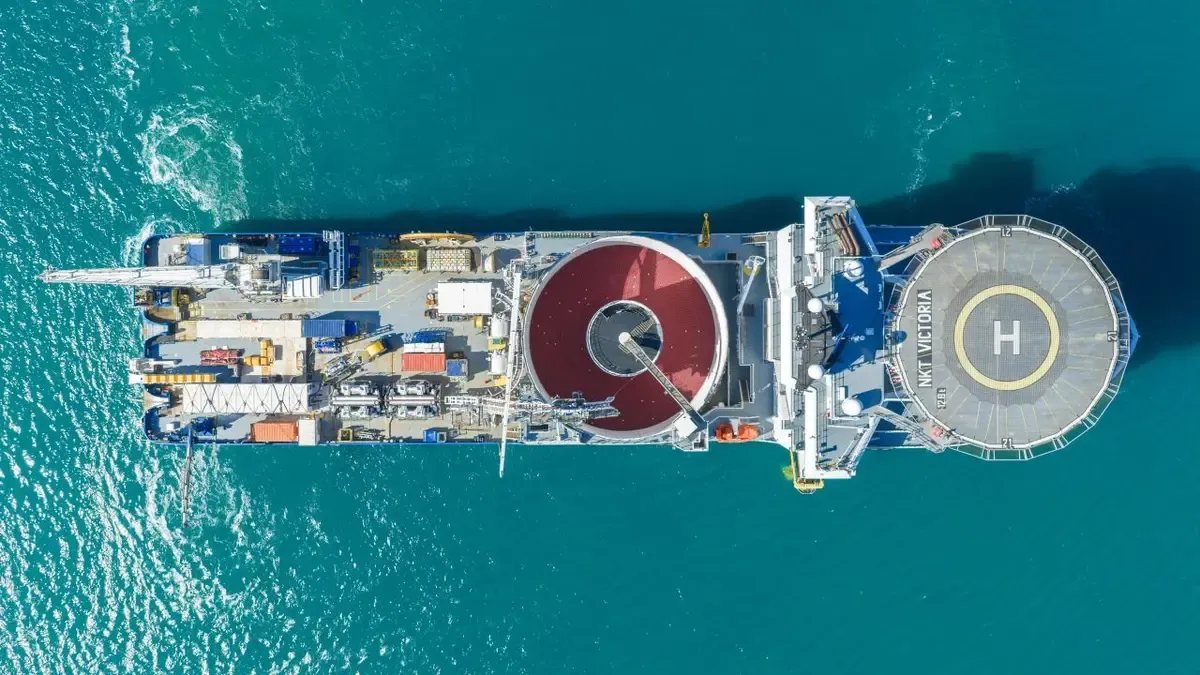
Offshore cable decommissioning is technically feasible and can support CO2 reduction, but the economics depend on a number of factors, a joint study by TenneT Netherlands and NKT concluded.
TenneT Netherlands and NKT worked together on exploring the future of offshore cable decommissioning, focusing on offshore cable systems in the Netherlands and Germany and what responsible end-of-life management could look like.
“The initiative reflects the shared ambition of TenneT and NKT to strengthen circular practices in the energy sector. Together, we have explored how offshore power cables can be managed responsibly at the end of their operational life, with a strong focus on circularity and technical knowledge development,” said Hedvig Pollak, Senior Sustainability Specialist at NKT.
The study examined multiple perspectives, including recycling, environmental considerations such as biodiversity and carbon assessments, logistics, regulatory requirements and operational practices.
This story was originally published by offshoreWIND.biz. Read the full story at offshoreWIND.biz →


Conversation