
The thermal coal market is benefiting from strengthening demand
Intermodal Weekly Market Report
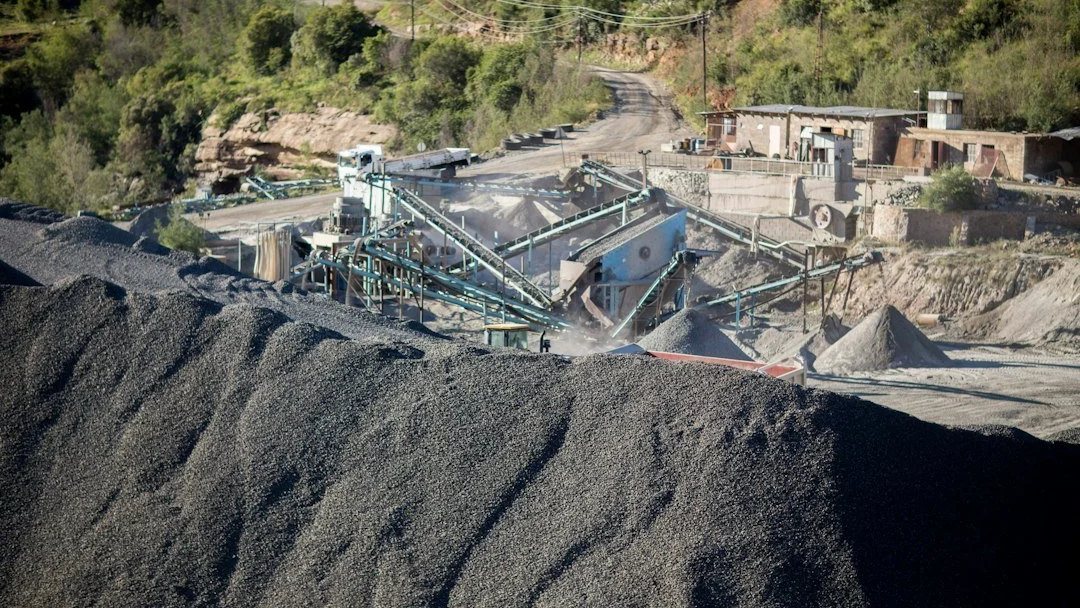
With the winter heating season underway, the thermal coal market is benefiting from strengthening demand, as elevated natural gas prices reinforce coal’s cost competitiveness in power generation. Qatari LNG volumes remain sharply reduced, while European natural gas prices have returned to levels last seen during the 2022 energy crisis, with Dutch TTF prices recently exceeding €100/MWh and EU gas inventories below their 5-year average. These conditions have improved coalfired generation economics, encouraging gas-to-coal switching across parts of Europe and Asia. Nevertheless, seaborne thermal coal trade is expected to remain broadly stable in 2026, as additional demand from fuel switching is largely offset by supply constraints
Beyond this short-term supportive backdrop, the broader outlook remains uncertain. China's seaborne thermal coal imports are forecast to decline, pressured by elevated international prices and expectations of recovering domestic production. Although mine inspections and safety restrictions have constrained output in recent months, government directives to accelerate mining activity in Shanxi, which accounts for approximately 30% of Chinese coal production, point to improving domestic availability. Together with expanding renewable generation, this could further reduce China's import requirements in 2027, while Japan and South Korea may also face longer-term demand slowdowns amid continued decarbonization efforts. Meanwhile, India and ASEAN economies, particularly Vietnam and the Philippines, remain drivers of coal consumption growth, supported by rising electricity demand and industrial activity. In India, weaker hydropower generation amid El Niño-linked monsoon shortfalls, increased industrial demand and restocking have supported seaborne imports, although government efforts to expand domestic coal production aim to reduce reliance on imported supplies.
This story was originally published by Breakwave Advisors. Read the full story at Breakwave Advisors →
Conversation