
Trade Compliance Is Now a Network Design Constraint
Trade compliance now influences sourcing, product design and landed cost. Learn why classification, origin and importer accountability belong in network.
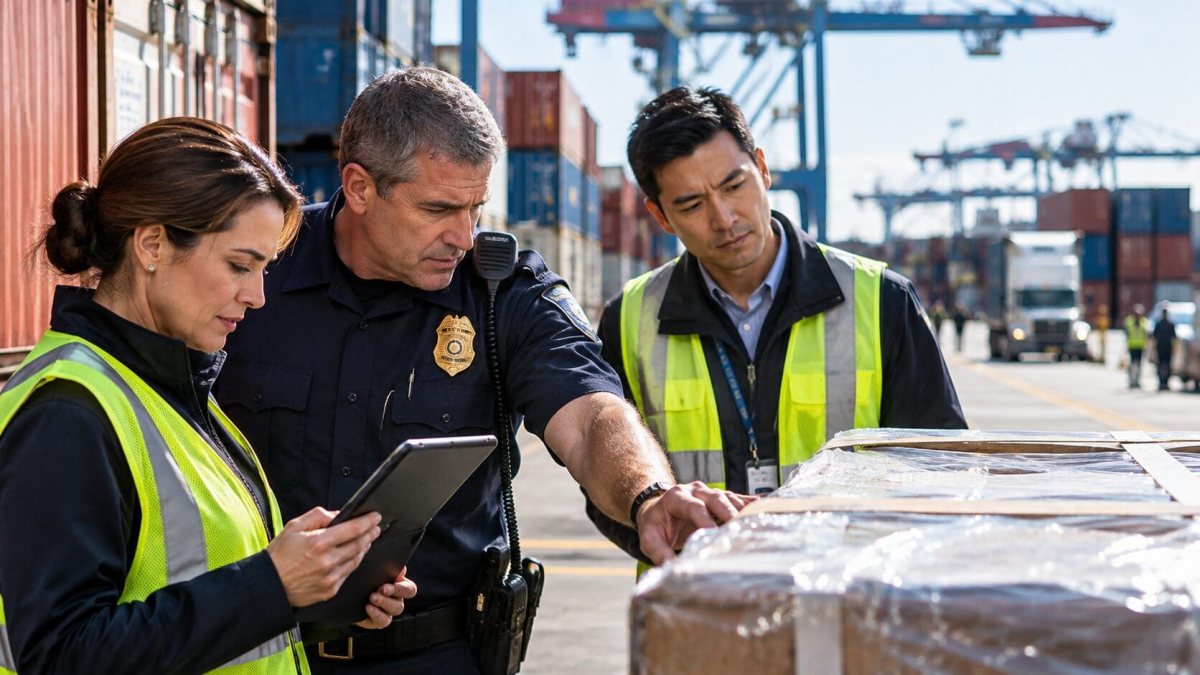
In an era of shifting tariffs, export restrictions and intensified customs scrutiny, trade compliance increasingly determines which supply-chain configurations are commercially and legally executable. The relevant question is not simply whether a broker can clear a container after it arrives. It is whether procurement, engineering, finance and logistics chose a supplier, product design, origin strategy and transportation route whose full landed cost and compliance obligations were understood before the order was committed.
Traditionally, network optimization emphasized factory costs, transportation, lead times, and inventory. Duty exposure might have been incorporated as an average landed-cost assumption. That is inadequate when particular products face different tariff treatments, origin claims depend on detailed manufacturing processes, or a low-value parcel model changes under new import rules. Two items with similar prices and weights can create very different customs obligations. Some requirements also depend on the identity of the producer or consignee. The compliance data therefore have to be connected to the actual bill of materials, supplier structure, customer market, and order flow.
This story was originally published by Logistics Viewpoints. Read the full story at Logistics Viewpoints →
Conversation