
Understanding Supply Chain 5.0
Key takeawaysThe next phase of industrial development will focus on collaboration between humans and machines. For supply chains this means people, performance, and planetary health are integrated priorities supported by advanced technologies.The three core…
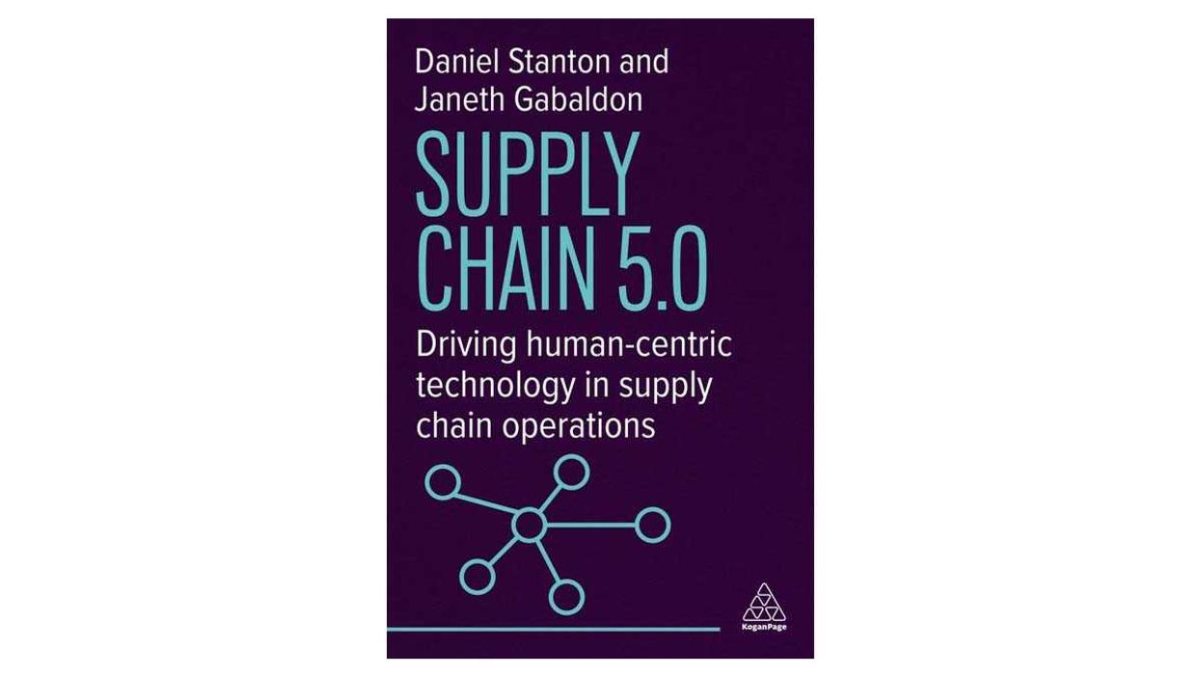
Modern supply chains are the only wonders of the world... These are the systems that make everything else. —Brian Laung Aoaeh
The Fourth Industrial Revolution has been unfolding around us, transforming the way industries operate by integrating physical, digital, and biological technologies. Advances in artificial intelligence (AI), robotics, the internet of things (IoT), additive manufacturing, and biotechnology are no longer isolated developments; they are being combined into tightly connected systems that enable new levels of automation and intelligence across industries and value chains.
For supply chains, this integration is redefining the rules. Building on decades of digitalization, Industry 4.0 is shifting supply chains from linear, reactive models to dynamic, predictive networks. Real-time data, end-to-end system integration, and advanced analytics are enabling faster and more informed decision-making than traditional human-led processes alone could achieve.
As customer expectations for speed, customization, and transparency continue to rise, companies are adopting these integrated technologies to remain competitive. This shift is also creating a demand for supply chain professionals who can manage complex digital ecosystems, making continuous upskilling and reskilling essential.
This story was originally published by Supply Chain Quarterly. Read the full story at Supply Chain Quarterly →


Conversation