
What are Very Large Crude Carrier (VLCC) and Ultra Large Crude Carrier (ULCC)?
Learn the difference between VLCC and ULCC oil tankers, including DWT, barrel capacity, routes, port limits, and why VLCCs dominate global crude transport.
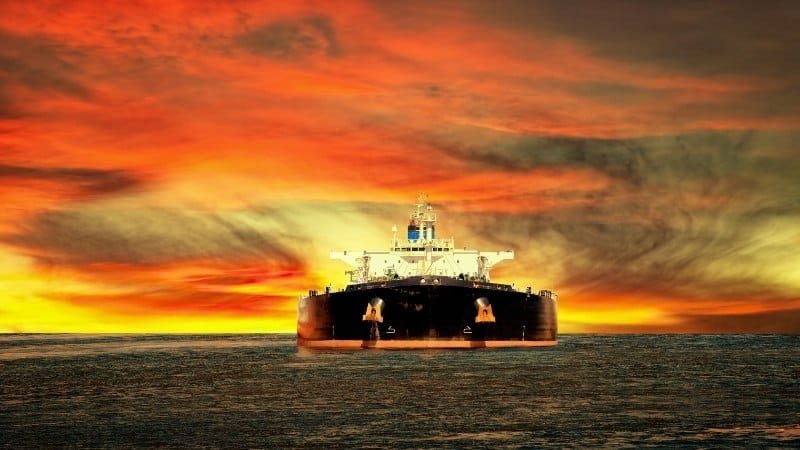
A Very Large Crude Carrier (VLCC) is a crude-oil tanker with a deadweight tonnage ranging between 200,000–320,000 DWT. An Ultra Large Crude Carrier (ULCC) is larger, with a DWT of 320,000 to 550,000 metric tons. Both are called “supertankers”, used to move crude oil across long ocean routes, but ULCCs can only call at deepwater terminals due to their size.
VLCC tankers handle the majority of crude oil shipments because they hit the economic sweet spot by carrying sufficient oil volumes while remaining of a size that can access major global ports and waterways that ULCC tankers cannot enter.
A fully loaded VLCC typically requires a water depth of 20 to 22 meters, whereas a ULCC requires 24 to 35+ meters along with massive turning basins.
Only a handful of deep-water channels or offshore single-point moorings or SPMs can accommodate a fully loaded ULCC one of them being the Louisiana Offshore Oil Port (LOOP), which is the only facility in the United States that can do so.
This story was originally published by Marine Insight. Read the full story at Marine Insight →
Conversation