
What’s Miami’s story beyond South Beach and Everglades National Park?
Miami International Airport handled 3.4 million tonnes of cargo in 2025, up 13.6% year on year, as e-commerce, perishables and pharmaceuticals drive demand.
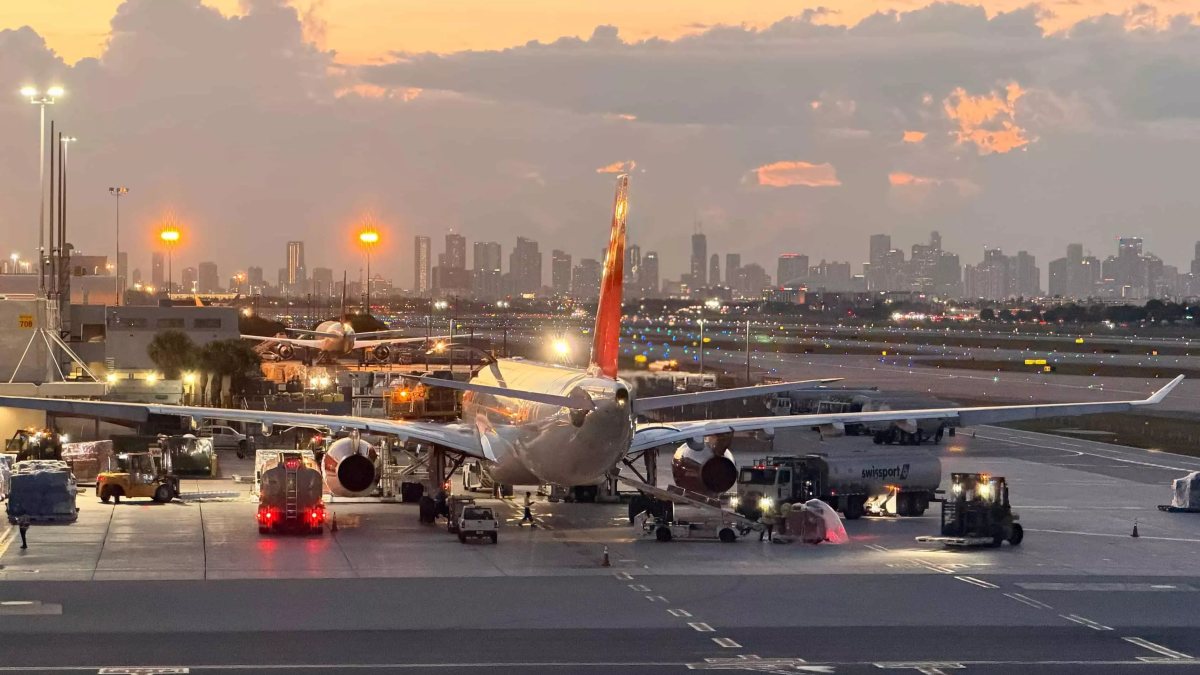
Miami is known for its sun-soaked South Beach, the colourful streets and Cuban cafés of Little Havana, and its proximity to the natural wonders of Biscayne National Park and Everglades National Park. But beyond the beaches, art deco architecture and tourist trails lies another side to the city — one shaped by the movement of goods across borders and the supply chains connecting the Americas to the rest of the world.
At the centre of this less visible story is Miami International Airport (MIA). Flowers from Colombia and Ecuador, salmon from Chile, pharmaceuticals, electronic devices and millions of e-commerce parcels pass through its cargo network, linking producers and businesses to markets across Latin America, the Caribbean and beyond.
In 2025, MIA handled 3.4 million tonnes of cargo, marking its sixth consecutive year of record growth. Ralph Cutie, Director and CEO of Miami International Airport, describes an operation where established trade flows meet new demand — and where the rapid rise of e-commerce is reshaping the airport’s role in regional logistics.
“With MIA’s unmatched route network and cargo lift across the region, MIA has quietly become the de facto e-commerce gateway to South America and the Caribbean,” Cutie said.
This story was originally published by STAT Times. Read the full story at STAT Times →


Conversation