
When the Store Stops Stocking, the Distribution Network Inherits the Customer
When more retail locations sell from samples, distribution centers and delivery networks take responsibility for a larger share of the customer experience.
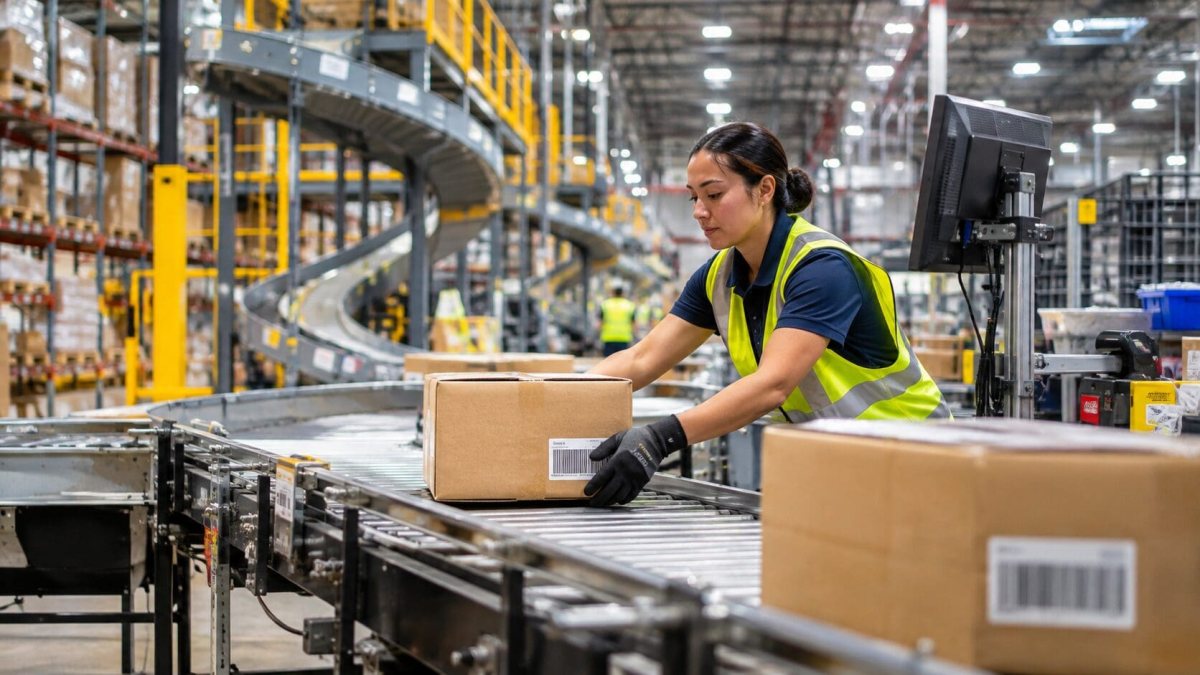
A retailer can remove a sofa from the store and free up a surprising amount of selling space. It cannot remove the sofa from the supply chain. The product still has to be stored, handled, loaded, delivered, and possibly returned. In fact, when a customer no longer takes possession at the store, the retailer assumes responsibility for a larger portion of the physical transaction.
That is the logistics consequence of showroom retail. The store may become a better place to sell, but the distribution network must become a better place to execute.
Traditional retail replenishment is built around relatively predictable destinations. A distribution center sends cases and pallets to known stores, often on consolidated routes. Merchandise is received, moved to the selling floor, and eventually carried away by the customer. Direct-to-consumer fulfillment is different. Individual orders leave on different days, travel to different addresses, and carry different service commitments. The basic unit of warehouse and transportation work changes.
There is no reason a retailer cannot manage both models. There is every reason not to assume the same network will handle both equally well.
This story was originally published by Logistics Viewpoints. Read the full story at Logistics Viewpoints →

Conversation