
Where TMS Fits in the New Architecture of Logistics
Where TMS Fits in the New Architecture of Logistics is fundamentally an architecture question. The category does not create value in isolation; it creates value through the interfaces between data, decisions, physical operations, people,…
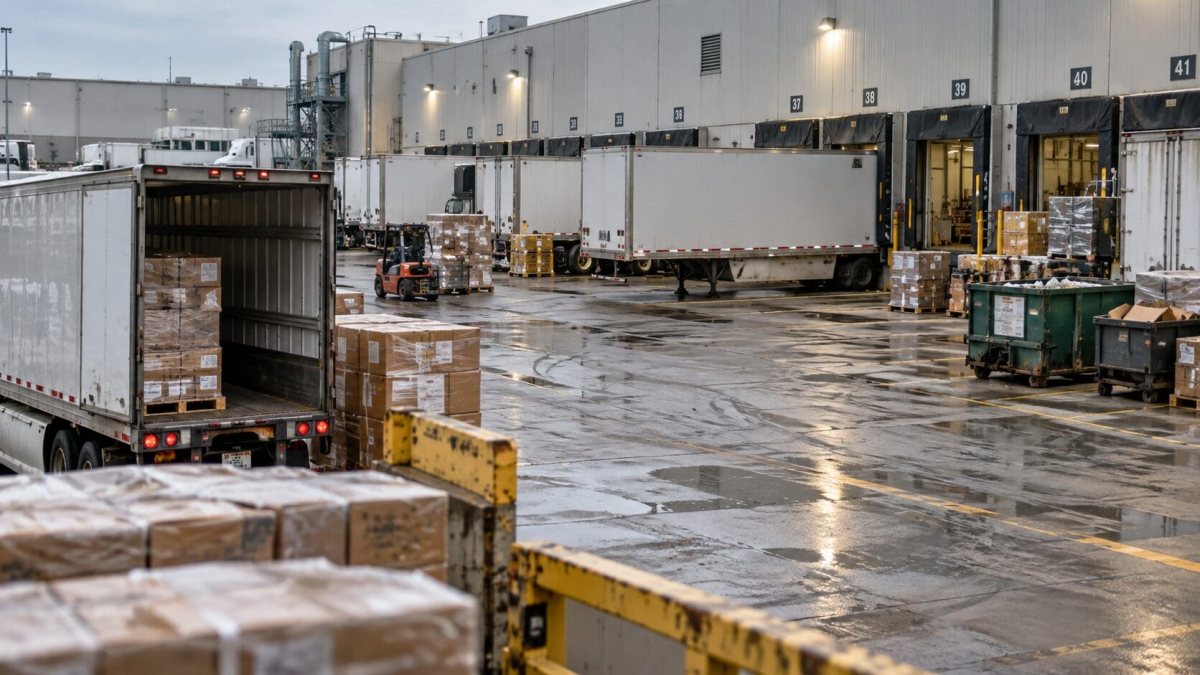
TMS creates value as part of a larger operating architecture, not in isolation. Its role is defined by the interfaces among data, decisions, physical operations, people, carriers, and adjacent execution systems.
At its core, the freight-centric planning and execution system used to translate orders and demand into feasible transportation plans, carrier decisions, tenders, shipment execution, visibility, settlement, and performance management. Around it sits an architecture where ERP and OMS supply demand and order context; TMS converts that context into freight plans and execution; carrier networks, visibility, telematics, WMS/YMS, parcel, payment, and decision layers continuously update the operating state. The design challenge is to preserve clear accountability while allowing operating state and decisions to move across those boundaries. The position of TMS in the new architecture follows from Transportation Is Becoming Computational, where optimization, events, carrier interaction, and execution become part of a continuously updated decision process.
A connected architecture does not require every system to store the same data or one suite to own every transaction. It requires the systems involved in a decision to share enough trusted state, at the right latency, for the combined operation to respond coherently.
That becomes visible in cases such as a tender rejection, a late pickup, a new order after the plan is built, a capacity shortfall, a missed delivery window, or a warehouse constraint that makes the transportation plan infeasible. The local system may be functioning correctly while the end-to-end outcome is deteriorating. Architecture determines whether that mismatch can be recognized and corrected before the intervention window closes.
This story was originally published by Logistics Viewpoints. Read the full story at Logistics Viewpoints →



Conversation