
Why operational information needs a direct line into the warehouse
Warehouse and production operations generate a large amount of information every day. Order statuses, stock levels, process messages, technical tickets and work instructions are all available somewhere in the organisation. Yet when an employee…
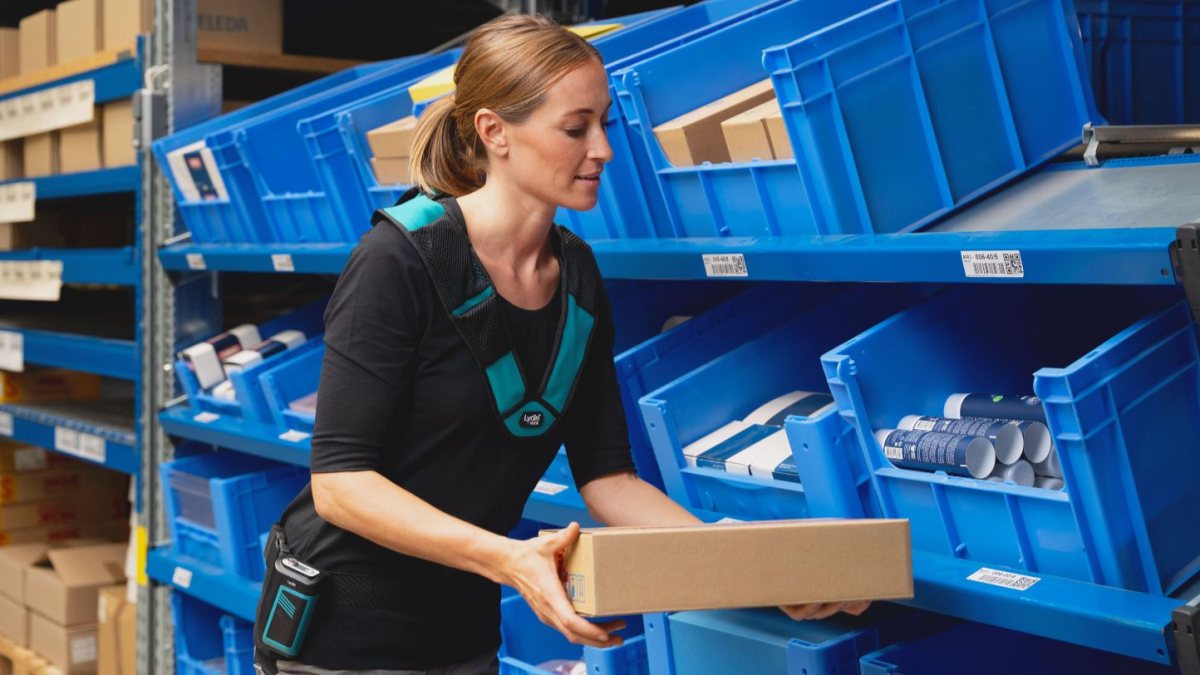
Warehouse and production operations generate a large amount of information every day. Order statuses, stock levels, process messages, technical tickets and work instructions are all available somewhere in the organisation. Yet when an employee needs an answer during a running process, this information is often spread across several applications, documents, and system views.
A delayed order may require a check in the warehouse management system. A disruption at an automated workstation may involve a ticketing tool, a system message and technical instruction. A question about a particular item may require knowledge of stock, locations, and current allocation of status. In many cases, the information exists, but accessing it takes the employee away from the task.
The EPG AURA Communicator addresses this gap. It provides a dialogue-based access point for operational data and enterprise knowledge, allowing employees to ask questions in natural language instead of searching through individual systems. The Communicator can make information from approved sources available in the context of the current task, whether the question concerns an order, a stock position, a process status or an existing instruction.
Operational systems are built to execute and control specific processes. Warehouse management systems manage stock and orders. Automation systems coordinate material flow. Ticketing tools document disruptions and support activities. Each application fulfils a clear purpose, yet employees often need information that sits across these boundaries.
This story was originally published by Logistics Manager. Read the full story at Logistics Manager →

Conversation