
Why Your Trucking Insurance Costs Are Rising & How to Fight Back
Control your trucking insurance costs by focusing on risk reduction before losses occur. Peter Niro from Progressive Insurance shares critical insights on underwriting, cargo coverage nuances, and the impact of operational safety on premiums.…
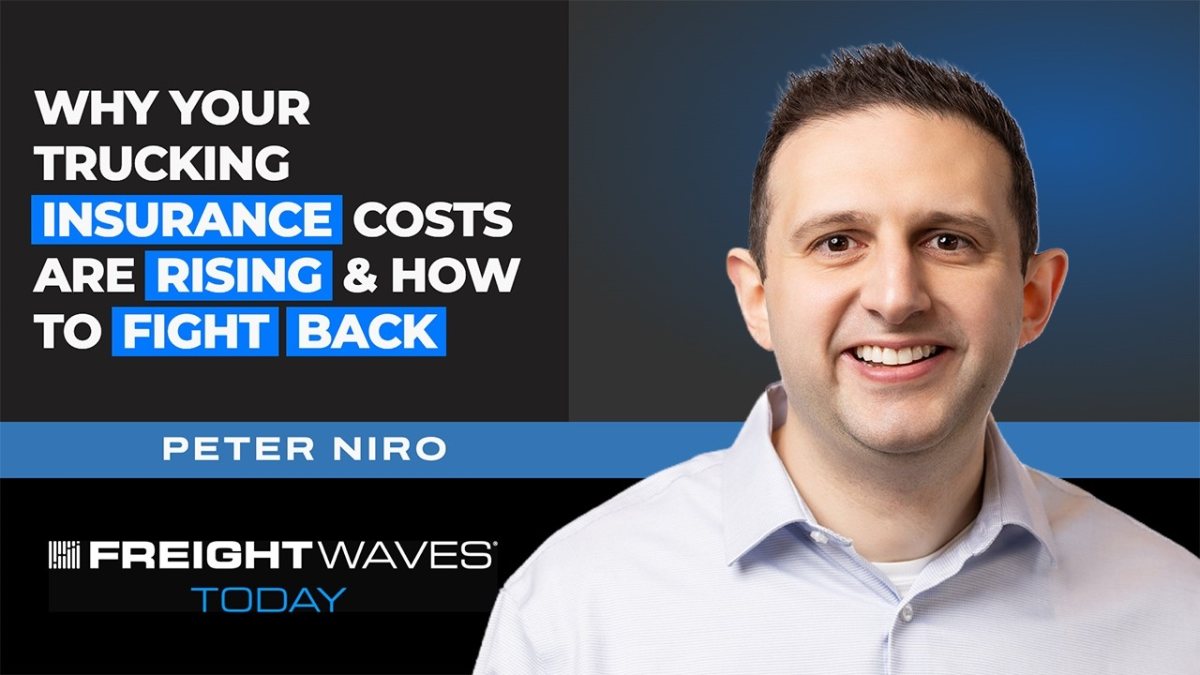
Control your trucking insurance costs by focusing on risk reduction before losses occur. Peter Niro from Progressive Insurance shares critical insights on underwriting, cargo coverage nuances, and the impact of operational safety on premiums. Learn how accurate data and proactive measures can lead to significant savings for your fleet.
Motor carriers looking to rein in insurance costs should prioritize building a safety culture and investing in technology before losses occur, according to Peter Niro, product development manager at Progressive. Niro, who has spent 17 years at the company developing non-fleet trucking insurance products, said the most effective long-term strategy is maintaining a clean operating record — and using tools like dashcams to back it up.
The advice comes as trucking insurance costs remain a pressure point for small and mid-size fleets. Niro said premiums are driven by two core variables: the likelihood of a vehicle being involved in an accident and the average cost of a claim when one occurs. Environmental factors such as repair-cost inflation and medical inflation compound those calculations, making risk management at the fleet level more important than ever.
“With better data, it helps drive better decisions,” Niro said, describing Progressive’s philosophy of drawing from multiple data sources to match premium precisely to risk. He added that two fleets with similar profiles can be priced differently depending on how each carrier’s underwriter evaluates the risk, what data sources are used, and how accurately the policy reflects the operation’s current state.
This story was originally published by FreightWaves. Read the full story at FreightWaves →
Conversation