
Regional European ship recycling rules and the International Maritime Organization’s (IMO) global framework face a regulatory bottleneck, according to a study that signals a compliance squeeze for specialised vessels.
Jointly commissioned by the European Community Shipowners’ Assocation (ECSA) and International Chamber of Shipping (ICS), the report highlights some nuanced legal gaps that will heavily impact owners of complex, high-value tonnage.
The core issue lies in the experience-building phase following the entry into force of the IMO’s Hong Kong Convention (HKC). While shipping pushes for unified standards, the study details how the European Union Ship Recycling Regulation (EU SRR) maintains stringent, prescriptive requirements that do not align with the baseline global framework.
“For shipowners, the co-existence of two different regimes with overlapping but diverging requirements creates legal uncertainty and potential compliance risks,” says the report’s author Stuart Ross of CE Delft.
And for the project cargo and ro-ro sectors, this area brings into focus some immediate technical and administrative issues, namely sections on:
-
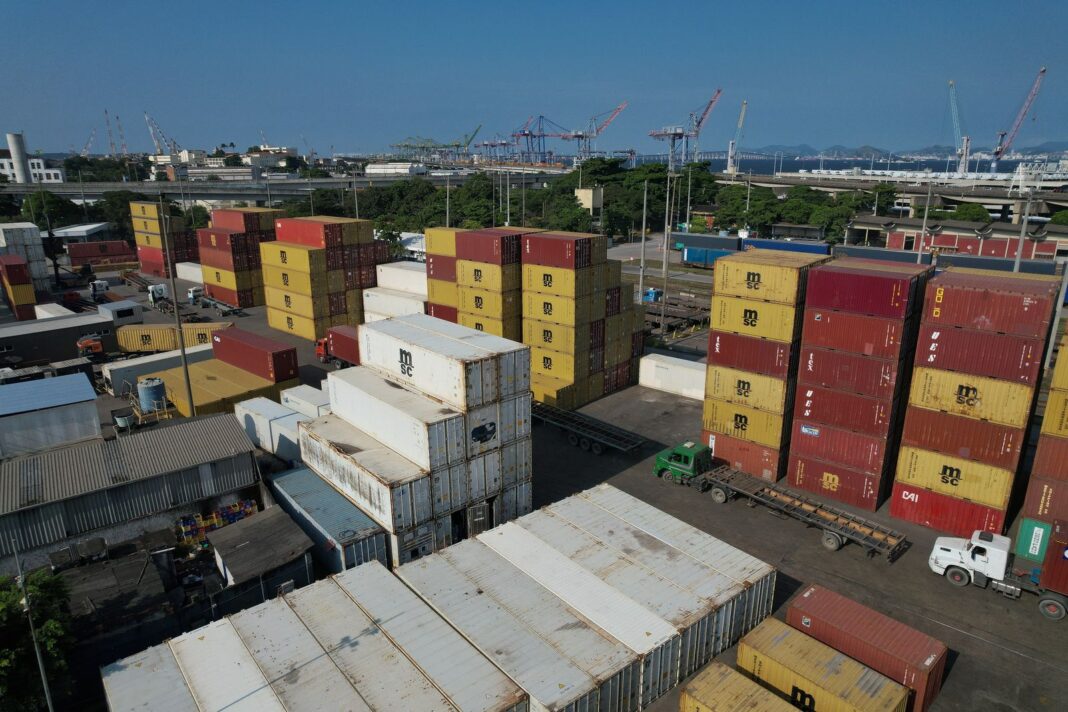
No exemptions for specialised tonnage: Both frameworks capture ‘a vessel of any type whatsoever’ over 500 GT. Multi-purpose vessels (MPVs), pure car/truck carriers (PCTCs), and heavy-lift units are fully bound by these dual layers of compliance.
-
The burden of complex technical drawings: Operators must supply extensive documentation, including general arrangements, capacity plans, and piping diagrams. For ro-ro vessels with intricate ramp systems and heavy-lift carriers with integrated cranes, compiling these unique layouts is vital for an approved Ship Recycling Plan.
-
Divergent hazardous materials logs: The EU SRR enforces a broader list of tracked hazardous substances for an Inventory of Hazardous Materials (IHM) than the HKC. Fleets utilising durable industrial coatings and complex machinery face a heavier tracking burden.
Strict EU infrastructure rules regarding yard access for heavy emergency rescue cranes also contrast with the more flexible facility protocols under the HKC.
“To ensure a truly level playing field and to avoid a fragmented regulatory landscape, it is crucial that the experience-building phase of the HKC is actively used to bridge the identified gaps with the EU SRR,” adds Ross.
Subscribe to gain access to all news
Already have a subscription? Log in.
Choose your subscription
Considering a corporate subscription? Contact us to find out more.
Or
Want to read this article for free?
You can read one free article per month. Enter your email and we’ll send you a free link to access the full article. No payment required.