
Disclosure
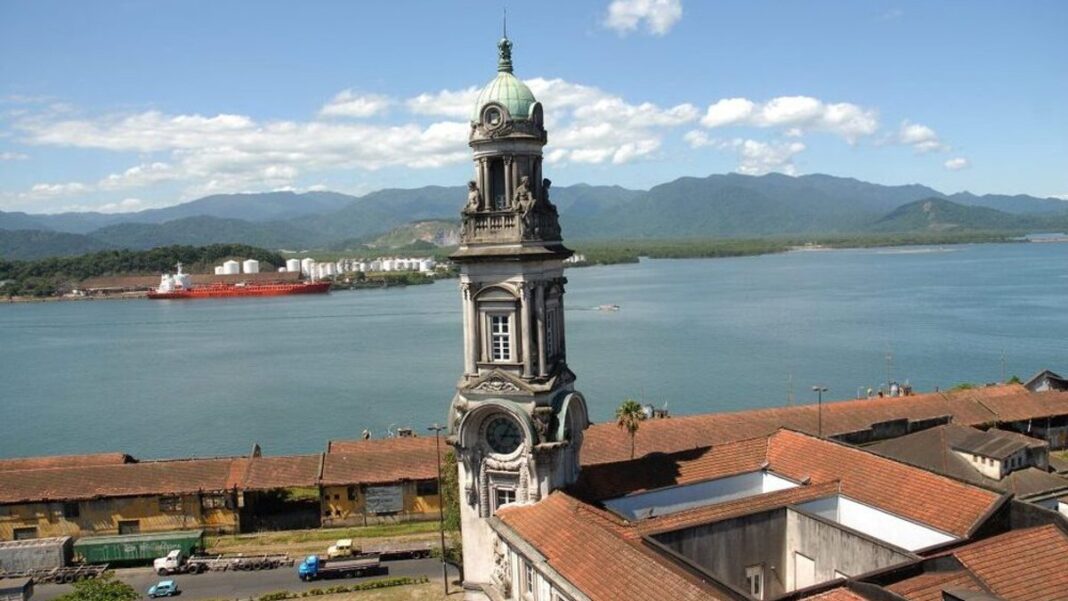
The Brazilian Association of Port Terminals (ABTP) once again defended the advancement of the Tecon Santos 10 (STS10) concession, considered one of the main expansion projects in Brazilian port infrastructure. According to the entity, any delays in the schedule could compromise the Port of Santos’ ability to meet the expected growth in container movement in the coming years.
The project is seen by the sector as strategic to expand the supply of berths, storage areas and operational capacity of the Santos complex, responsible for a significant portion of Brazilian foreign trade.
Super Rectangle (728×90) – Position 17
ABTP’s assessment is that progress with the project will help reduce logistical bottlenecks and create conditions to absorb the increase in containerized cargo driven by growth in exports, imports and domestic consumption.
Industry experts highlight that the expansion of port infrastructure requires long-term planning, since large terminals require high investments, complex regulatory processes and large-scale works before they come into operation.
In addition to increasing capacity, the implementation of STS10 should incorporate technologies aimed at automation, digitalization and operational efficiency, following trends observed in the main international ports.
For port operators and shipowners, expanding infrastructure in Santos is considered essential to reduce waiting times, increase operational productivity and maintain the port’s competitiveness in the face of the evolution of global maritime trade.
The Port of Santos concentrates the largest movement of containers in the country and continues to record continuous growth in demand. In this context, the sector understands that new investments need to accompany the expansion of operations to avoid future limitations on installed capacity.
Analysis of the Port Journal
The debate about STS10 goes beyond the regulatory discussion and involves the future of Brazilian logistics. If demand for containers continues to grow at the projected pace, expanding the operational capacity of the Port of Santos will be decisive to avoid congestion, reduce logistics costs and preserve the competitiveness of Brazilian exports. The concession schedule, therefore, is closely monitored by operators, shipowners, investors and users of the port system.