
Key Aspects:
- An Italian court overturned environmental approval for Royal Caribbean’s proposed €600 million cruise port in Fiumicino.
- Judges ruled the project was improperly reviewed and must undergo a new approval process.
- Construction is on hold until new approval is provided.
Royal Caribbean’s plans for a new cruise port near Rome have hit a major setback.
An Italian court has overturned the environmental approval needed for the €600 million project, preventing construction from moving forward until developers complete a new approval process.
The proposed port, located in Fiumicino near Rome’s Leonardo da Vinci International Airport, will allow cruise passengers to board ships much closer to the airport than the current cruise gateway at Civitavecchia, about an hour away.
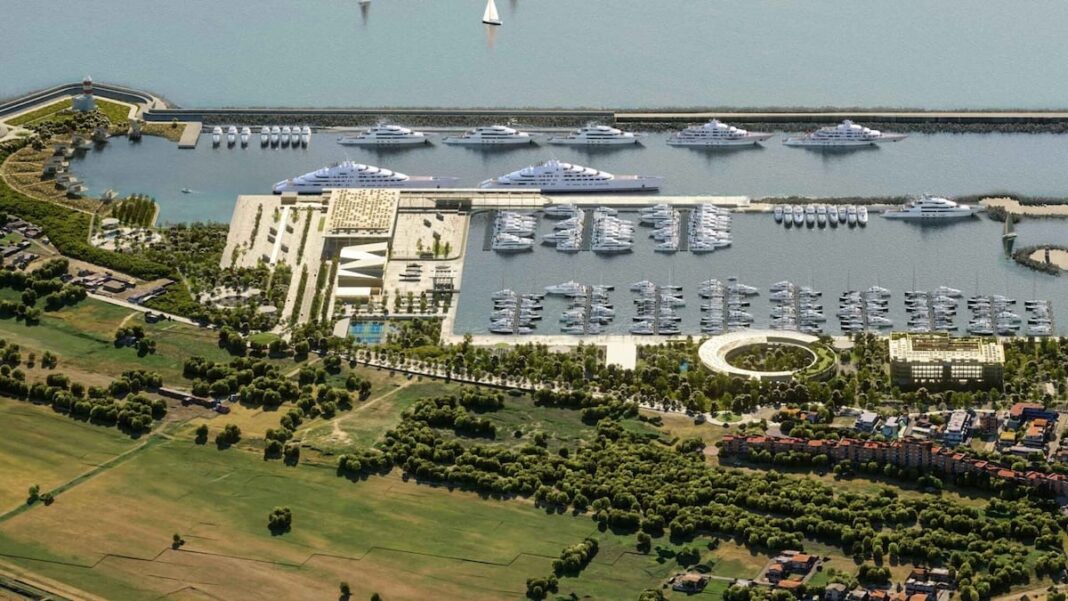
The Royal Caribbean Group-backed project is being developed by Fiumicino Waterfront and calls for a new cruise terminal, a marina with more than 1,200 berths for recreational boats, commercial space, restaurants, a hotel, shops, public waterfront parks, and other supporting infrastructure.
Judges ruled on July 3, 2026, that the project was approved under the wrong classification. Because the cruise terminal is a major part of the development, they said it should have been reviewed as a commercial port rather than a tourist marina.
Because of that decision, the court overturned the environmental approval issued by Italy’s Ministry of Environment and Energy Security. Without that approval, construction cannot move forward.

While the ruling does not cancel the project itself, developers must obtain new approvals before construction can begin.
In a statement to Italian mediaFiumicino Waterfront CEO Galliano Di Marco said it will appeal the decision.
The lawsuit was brought by 18 local residents along with several environmental organizations that argued the project was too large and should have undergone a broader environmental assessment.
Why It Matters for Cruise Passengers
Plans call for the new waterfront district in Fiumicino to include a cruise pier, marina, hotel, restaurants, shops, public green space, and a large waterfront park. It will also redevelop the former lighthouse area of Isola Sacra, just south of Rome’s international airport.
Developers say the terminal is expected to handle more than 1 million passengers a year, with a dedicated pier capable of accommodating one large cruise ship at a time. The port will operate as a homeport for about 200 days each year, allowing passengers to begin and end Mediterranean cruises much closer to Rome’s main airport.
Today, most passengers sailing to or from Rome fly into Leonardo da Vinci International Airport before traveling about an hour to the Port of Civitavecchia. A terminal in Fiumicino would shorten that transfer and allow passengers to reach their ship within minutes of landing.
According to project plans, the development will create thousands of jobs, improve local infrastructure, and help meet growing demand for cruise and yacht facilities in the Mediterranean. Plans also call for ships to connect to shore power while docked, reducing the need to run onboard engines in port.
Opponents, however, say the project will permanently change one of the last undeveloped stretches of coastline near Rome. Environmental organizations have raised concerns about dredging, new breakwaters, impacts on protected bird habitats, and the area’s traditional wooden fishing huts built on stilts that have long been part of the local landscape.
The recent ruling in Italy marks the second major setback this year for one of Royal Caribbean’s high-profile infrastructure projects.
In May, Mexico’s environmental ministry rejected the company’s environmental permit for its planned Perfect Day Mexico private destination in Mahahual. While the two projects involve different legal issues, both have stalled because of environmental concerns.