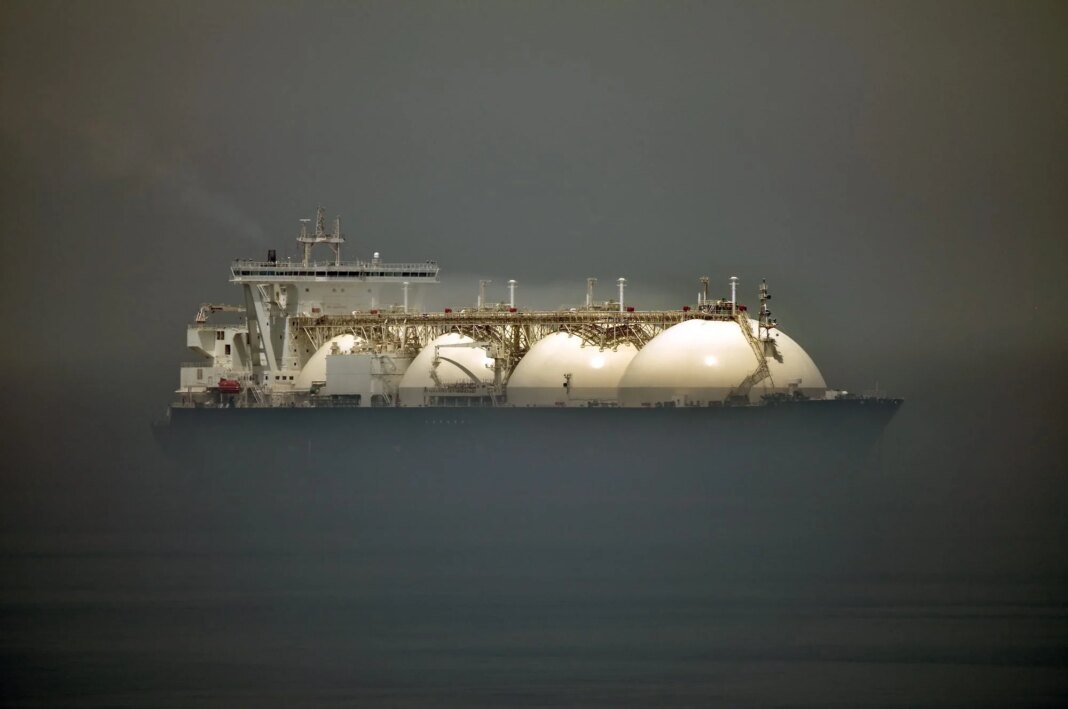

LONDON, July 8 (Reuters) – The biggest expansion of global LNG supply on record, led by the United States and Qatar, could be slowed as most of the ships needed to transport the fuel are being built in South Korea and China, a Wood Mackenzie report said on Wednesday.
“The LNG industry talks constantly about energy security, diversification and resilience,” Ikram Elloumi, director of research at Wood Mackenzie, said in the report. “Yet one of its most critical dependencies – the ability to physically move gas – rests on a supply chain it does not control and cannot quickly replicate.”
The following are the main points of the report:
- More than 260 LNG carriers are on order for delivery from 2027 onwards to support export projects led by the United States, Qatar and Africa.
- Around two-thirds are being built in South Korea, with most of the remainder under construction in China.
- South Korean and Chinese shipyards dominate LNG carrier construction on the basis of decades of technological investment and expertise.
- The concentration raises the risk of delays and rising vessel costs.
- The sector’s ability to move future supplies could become as important as the development of liquefaction projects.
- LNG trade is already increasingly concentrated around a handful of major exporters, including the U.S. Gulf Coast, Qatar, Africa and Australia, while demand growth remains centered in Europe and Asia.
- That creates an “hourglass” system in which supply and demand depend on a narrow transport link formed by the global LNG carrier fleet.
- Building alternative centers for LNG carrier construction would require years of investment and tens of billions of dollars.
(Reporting by Marwa Rashad; Editing by Barbara Lewis)
(c) Copyright Thomson Reuters 2026.
This article contains reporting from Reuters, published under license.
Subscribe for Daily Maritime Insights
Sign up for gCaptain’s newsletter and never miss an update