

According to the latest INTERCARGO report, bulk carrier safety continues to improve over the long term, but the risks facing seafarers are becoming increasingly complex.
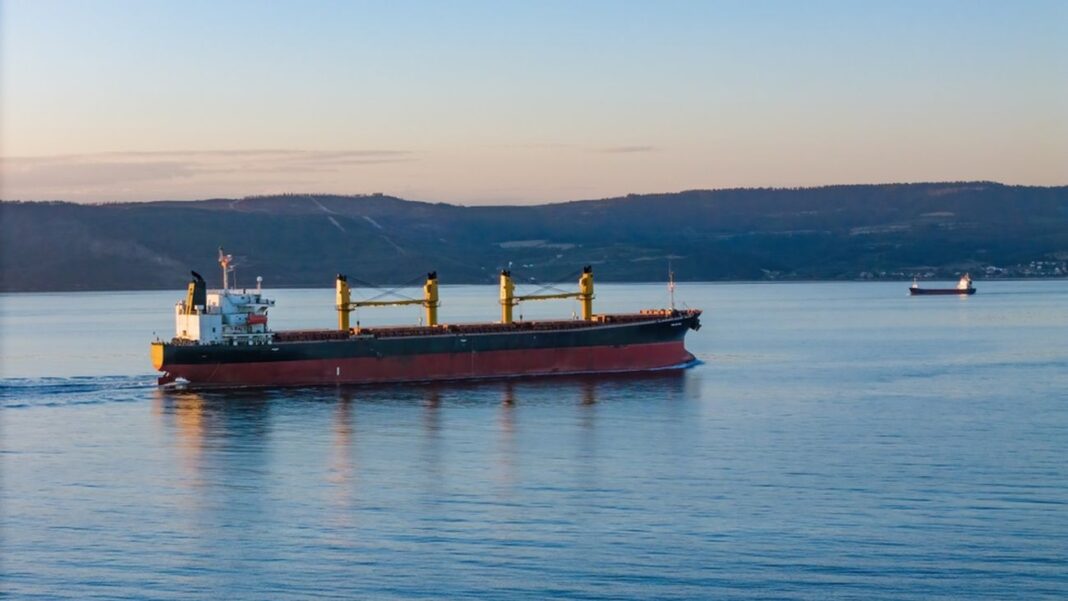
INTERCARGO’s Bulk Carrier Casualty Report 2026 covers the period from 2016 to 2025. During that time, the global bulk carrier fleet expanded from around 10,400 vessels in 2013 to 13,669 by December 2025. Against this backdrop of significant growth, 17 bulk carriers of 10,000dwt or above were lost, representing a total of 1.63m dwt. These incidents claimed the lives of 71 seafarers. The rolling ten-year average of annual losses declined steadily throughout the period.
INTERCARGO said the improvement reflects sustained progress across the industry, including enhanced ship design, better crew training, greater operational experience and stronger regulatory compliance. “However, the findings also underline that while traditional accidents are declining, persistent and emerging risks remain, requiring continued vigilance and collaboration across the sector,” the organisation added.
Main causes unchanged
Although overall losses have declined, the main causes of the most serious incidents remain unchanged. Cargo liquefaction remains the leading cause of fatalities, accounting for 37 deaths, or more than half of the total. Vessels in the 50,000–59,999 dwt range accounted for only four of the 17 losses but 52.1% of all fatalities, highlighting the particular risks associated with carrying nickel ore and other high-risk cargoes.
Groundings remain the leading cause of vessel losses, accounting for 41.1% of cases. Most losses involved vessels aged between 15 and 19 years, underlining the importance of navigational discipline and effective passage planning as ships age.
Flooding incidents were less frequent but accounted for nearly half of all fatalities.
Red Sea and Gulf of Aden
The report also highlights the increasingly complex operating environment. Between 2024 and 2025, five bulk carrier casualties in the Red Sea and Gulf of Aden were linked to missile, drone and uncrewed vessel attacks, resulting in deaths and injuries. These incidents are recorded separately from the statistical analysis but illustrate the broader challenges facing international shipping.
After the report’s reporting period ended, in early 2026, the MV Devon Bay was lost while carrying nickel ore. Two seafarers lost their lives, and four remain missing. “The incident falls outside the ten-year analysis but precisely reinforces the priorities this report identifies,” INTERCARGO concluded.
INTERCARGO (the International Association of Dry Cargo Shipowners) represents almost 500 companies operating nearly 5,000 bulk carriers across more than 35 countries.