
Disclosure / Benatti Group
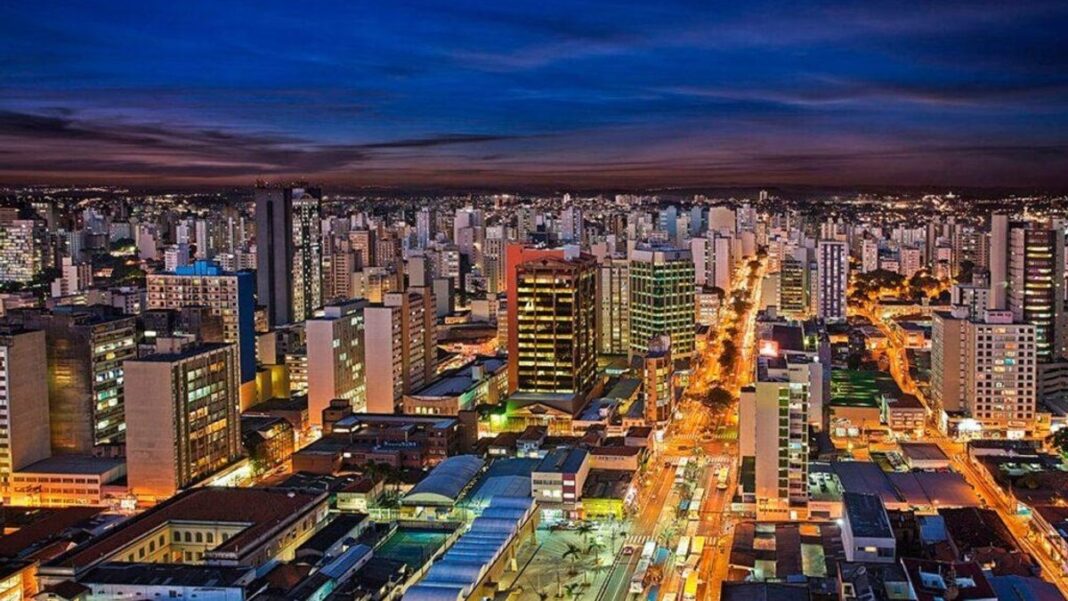
Campinas 2040 is the long-term strategic plan developed for the municipality of Campinas (SP), with the objective of planning the sustainable, economic and social growth of the city until the year 2040. This transformation aims to make the city a logistical, technological and innovation hub in Latin America, resulting in an even more intelligent, sustainable and humane metropolis.
O The city’s future is linked to the Local Climate Action Plan (PLAC), a guide created with the main objective of reducing greenhouse gas emissions and preparing Campinas for the impacts of climate change. It is also connected to Urban and Housing Development Plan (PDUH 2040) of the State of São Paulo, a state plan of which Campinas is part and which coordinates investments in housing, sanitation and intermunicipal transport.
Super Rectangle (728×90) – Position 17
The PLAC establishes the year 2040 as a crucial milestone for the metropolis to reduce its greenhouse gas emissions by 35%. To achieve this goal, the city is already carrying out practical actions, such as expanding the Green Plant for waste treatment and installing macro-drainage reservoirs to contain flooding.
This environmental change goes hand in hand with a major reform of the city’s transportation. By 2040, the city plans to progressively replace regular buses with electric vehicles or those powered by cleaner fuels, in addition to expanding cycle paths.
The plan also extends to the preservation of natural resources, including the recovery of hundreds of hectares of Permanent Preservation Areas. This measure aims to increase vegetation cover and directly combat heat islands in the urban perimeter.
In terms of housing, Campinas follows the State Urban and Housing Development Plan (PDUH 2040). The proposal connects affordable housing projects directly to existing transportation, sanitation and employment infrastructure.
One of the PDUH 2040 strategies is to encourage the mixed use of urban land. It consists of integrating different functions in the same neighborhood or region, making residential areas linked to commercial and service areas. This way, residents can access places of work, commerce and leisure options in their respective neighborhoods on foot, reducing the use of vehicles.
These plans are part of a long-term development strategy that aims to consolidate Campinas as one of the country’s main logistics, technological and innovation hubs, resulting in an expansion of its international projection.