
Disclosure
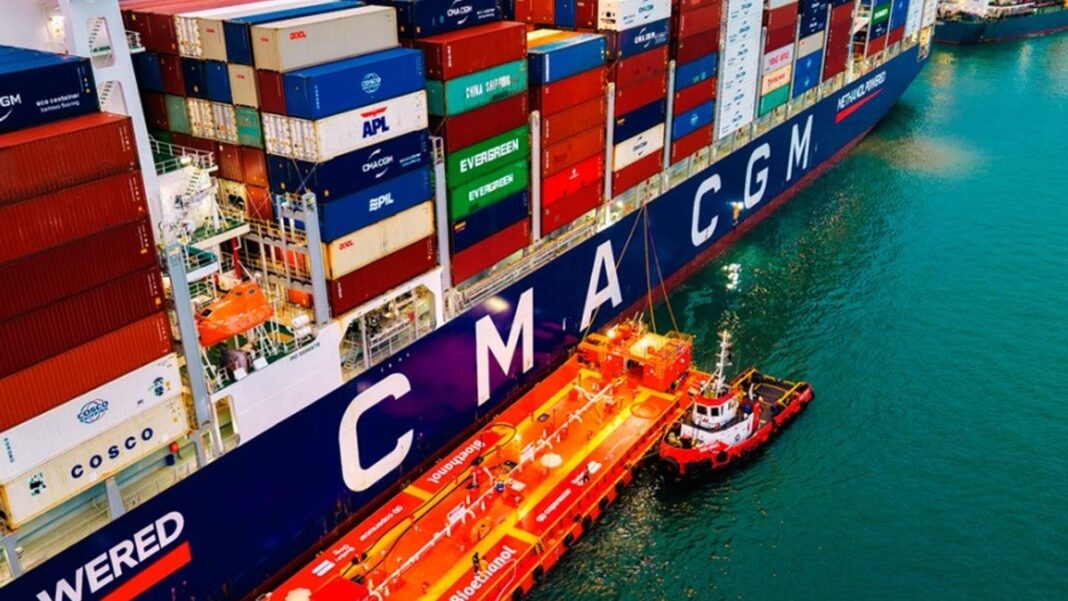
The Port of Santos was the scene of an unprecedented operation for Brazilian shipping with the first refueling of a container ship using ethanol as fuel. The initiative represents progress in the adoption of energy alternatives aimed at reducing greenhouse gas emissions and reinforces the global movement to decarbonize maritime transport.
Carried out by the shipping company CMA CGMone of the largest maritime transport companies in the world, the operation demonstrates the potential of ethanol as one of the renewable alternatives to boost the energy transition of the shipping industry. The project also highlights the capacity of Brazilian ports to adapt to the new environmental and technological demands of international maritime trade.
Super Rectangle (728×90) – Position 17
Brazil occupies a strategic position in this scenario as it is one of the world’s largest producers of ethanol, a renewable fuel obtained mainly from sugar cane. This competitive advantage could transform the country into an important supplier of low-carbon energy for vessels operating on international routes.
In addition to representing a technological advance, the supply reinforces the importance of the Port of Santos as a center for logistics innovation. The port complex, responsible for the largest cargo movement in Latin America, now integrates initiatives aligned with global sustainability goals and the transformations that have been reshaping the maritime sector.
The adoption of alternative fuels has gained strength among shipowners and port operators in view of the goals established by International Maritime Organization (IMO) to reduce carbon emissions from shipping. In the coming years, the industry should expand the use of different energy sources with less environmental impact, such as biofuels, methanol, ammonia, hydrogen and synthetic fuels.
For experts, initiatives like this also encourage investments in port infrastructure aimed at supplying sustainable fuels, creating opportunities for new businesses, technological innovation and strengthening Brazilian competitiveness in foreign trade.
The operation carried out in Santos signals that national ports can play a relevant role in building cleaner, more efficient maritime logistics that are aligned with the environmental requirements of the global market.
Analysis of the Port Journal
The first filling of a container ship with ethanol at the Port of Santos goes beyond symbolism. The operation demonstrates that Brazil has unique conditions to lead part of the energy transition in international shipping. With a consolidated biofuel production chain and one of the largest port complexes in the southern hemisphere, the country brings together strategic factors to attract investments in green infrastructure and consolidate new low-carbon maritime corridors. If initiatives like this become frequent, the Port of Santos could position itself as one of the main sustainable supply hubs in Latin America.