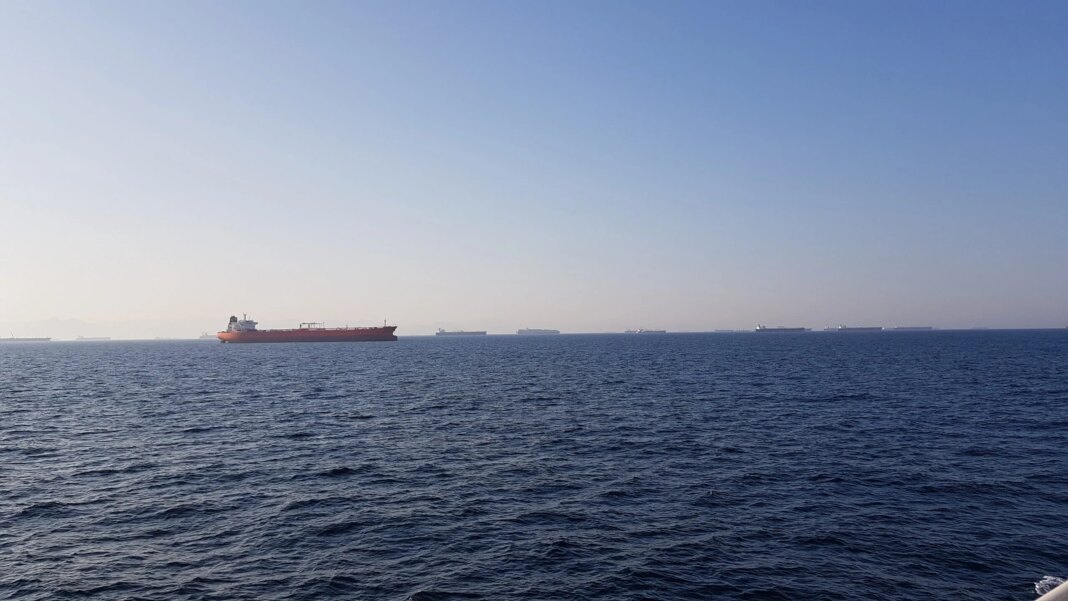

The United States is reinstating its maritime blockade on Iran, marking a sharp escalation in tensions across the Middle East and renewing pressure on shipping through the strategically vital Strait of Hormuz.
Read also: China Calls for Open Hormuz Shipping as Fee Debate Intensifies
U.S. Central Command (CENTCOM) confirmed that enforcement operations will resume at 4 p.m. ET on July 14, following orders from President Donald Trump. The renewed measures will once again target commercial vessels traveling to or from Iranian ports, ending the temporary suspension introduced under last month’s ceasefire agreement.
According to CENTCOM, all ships involved in trade with Iranian ports will fall under the renewed blockade, while commercial traffic bound for non-Iranian destinations will continue to move through regional waters under heightened security monitoring.
“U.S. forces will enforce the blockade on vessels operating to and from Iranian ports while continuing to support safe navigation for lawful commercial shipping throughout the region,” the command said.
Ceasefire Collapse Triggers Renewed Pressure
The decision comes after the collapse of the June memorandum of understanding between Washington and Tehran, which had temporarily eased maritime restrictions and reopened the Strait of Hormuz to commercial traffic.
In recent days, U.S. forces have launched multiple military operations against Iranian targets following a series of attacks on merchant vessels in and around the Strait of Hormuz. At the same time, Washington has restored sanctions targeting Iranian energy exports, signaling a return to its maximum-pressure strategy.
President Trump also announced that the United States would assume the role of “Guardian of the Strait of Hormuz” and floated the idea of introducing a 20% transit fee on cargo passing through the waterway to help offset the cost of U.S. naval security operations. Details of the proposed fee have not yet been released.
Commercial Ships Face New Inspections
New operational guidance issued by the Joint Maritime Information Center (JMIC) outlines how the renewed blockade will work.
Beginning 2000 UTC on July 14, all vessels entering or leaving Iranian ports—regardless of nationality—will be subject to the restrictions. Ships suspected of violating the blockade could face interception, diversion, or seizure, with authorities warning that force may be used if necessary.
However, the advisory makes clear that neutral commercial vessels transiting the Strait of Hormuz to destinations outside Iran will still be allowed to pass. Mariners should expect inspections and boarding procedures to verify that cargo does not violate the blockade.
Humanitarian shipments, including food, medicine, and other essential supplies, will remain exempt after undergoing U.S. Navy screening and approval.
Blockade Returns After Brief Suspension
The renewed operation closely mirrors the blockade first introduced in April, when the United States began intercepting vessels linked to Iranian trade.
During that earlier campaign, CENTCOM said more than 140 commercial ships complied with diversion orders, nine vessels attempting to breach the restrictions were disabled, and more than 50 humanitarian shipments were permitted to continue under inspection procedures.
The restrictions were lifted in mid-June after Washington and Tehran reached a temporary agreement designed to reduce regional tensions and restore commercial navigation through the Strait of Hormuz.
Iranian Oil Exports Resume Briefly
The easing of restrictions allowed Iranian energy exports to rebound for several weeks.
Industry monitoring data indicated that during the 26-day pause, Iran exported more than 80 million barrels of crude oil and refined petroleum products, generating an estimated $6 billion in revenue before the agreement unraveled.
The ceasefire effectively collapsed after renewed attacks on commercial shipping, including an assault on the Cyprus-flagged container vessel GFS Galaxy, which left the ship disabled and one crew member missing while sailing east of Oman.
Shipping Industry Faces Fresh Uncertainty
The renewed blockade is expected to create fresh uncertainty for global shipping and energy markets as carriers reassess operations across one of the world’s busiest maritime corridors.
While international organizations continue to emphasize the importance of maintaining freedom of navigation through the Strait of Hormuz, commercial operators now face another period of heightened security, increased inspections, and the risk of further military escalation.
CENTCOM has advised all vessels operating near the Gulf of Oman and the Strait of Hormuz to closely monitor official maritime advisories, maintain communications with coalition naval forces, and remain alert for additional operational guidance as enforcement measures take effect.