
Disclosure
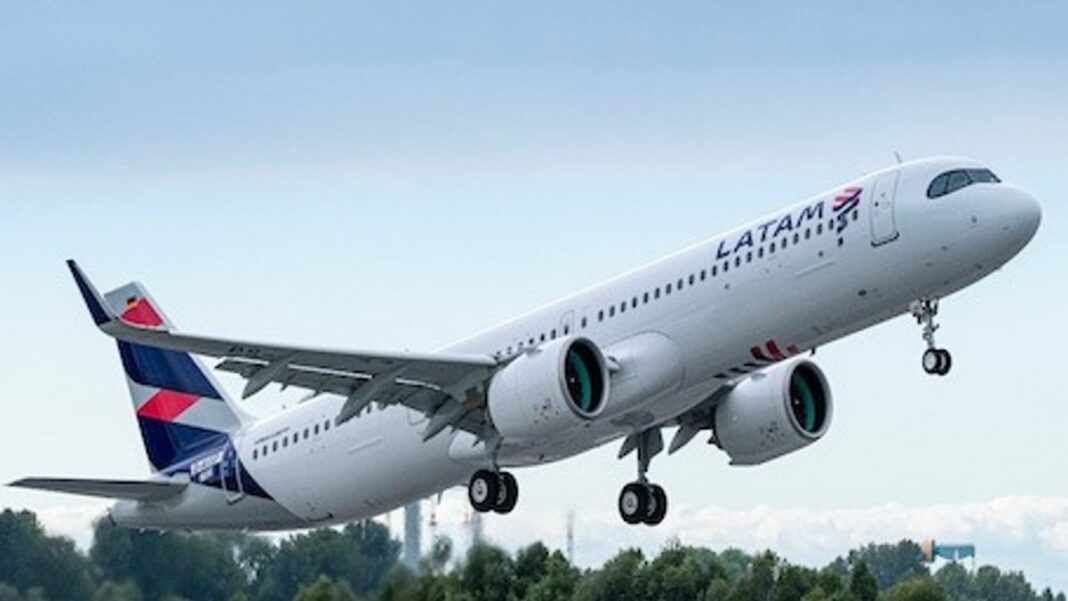
LATAM Airlines intensified its fleet renewal program as part of its strategy to expand operations in the Brazilian market. Investment in new generation aircraft aims to increase operational capacity, improve fuel efficiency and offer greater flexibility to meet the growing demand for air transport.
The modernization occurs at a time of recovery and strengthening of commercial aviation in the country. In addition to expanding the flight offering, the company seeks to optimize its operating costs by incorporating equipment with greater energy efficiency and lower environmental impact.
Super Rectangle (728×90) – Position 17
According to industry experts, more modern aircraft make it possible to reduce fuel consumption, reduce carbon emissions and increase the operational availability of the fleet. These factors directly influence the competitiveness of airlines in a market marked by tight margins and high competition.
Although the main focus is passenger transport, the renovation also has positive effects on air logistics. Expanding aircraft capacity contributes to increasing the supply of space in cargo compartments, benefiting segments such as e-commerce, the pharmaceutical industry, perishable products and high-value-added cargo.
In recent years, air cargo transport has gained relevance in Brazil, driven by the growth of e-commerce and the need for faster deliveries. The integration between airports, distribution centers and logistics operators has started to play a strategic role in supply chains.
For the infrastructure sector, investments in fleet usually go hand in hand with operational improvements at airports, including modernization of terminals, expansion of service capacity and adoption of technologies aimed at the efficiency of ground operations.
Analysts assess that LATAM’s strategy reinforces a trend observed in global aviation: the gradual replacement of older aircraft with more economical, quieter and sustainable models, capable of meeting environmental requirements and reducing costs throughout the operational cycle.
With the renewal of the fleet, the company seeks to consolidate its presence in the Brazilian market, expand its air network and keep up with the expected growth in demand for mobility and cargo transportation in the coming years.
Analysis of the Port Journal
The renewal of the LATAM fleet goes beyond the passenger experience. For national logistics, more efficient aircraft mean greater cargo transport capacity, reduced operational costs and strengthened integration between air, road and port modes.
In a scenario of growth in e-commerce and exports of high-value-added products, investments like this contribute to making Brazilian logistics infrastructure more competitive.