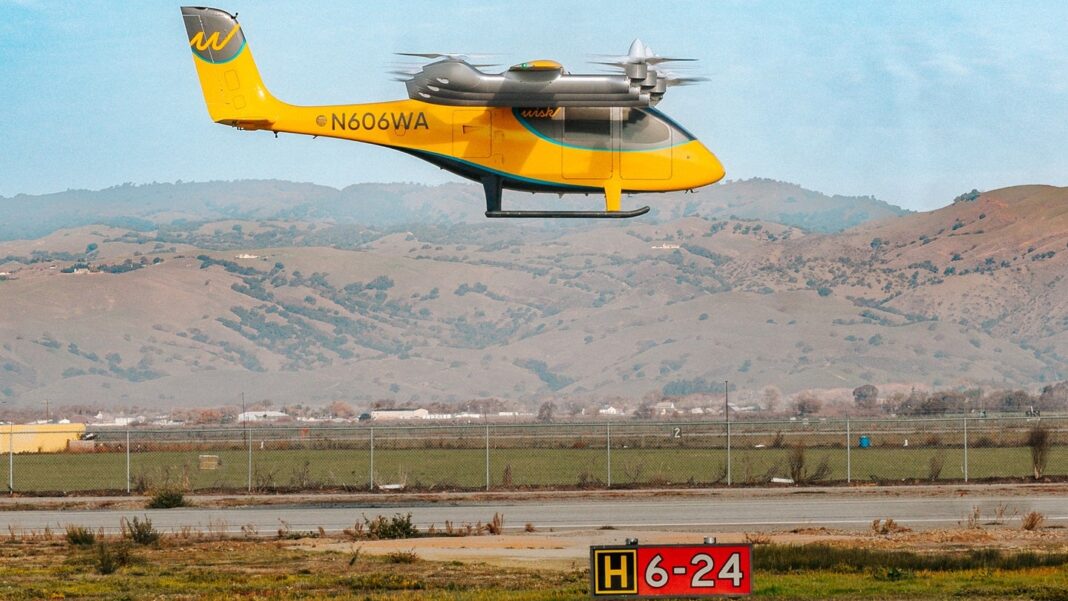

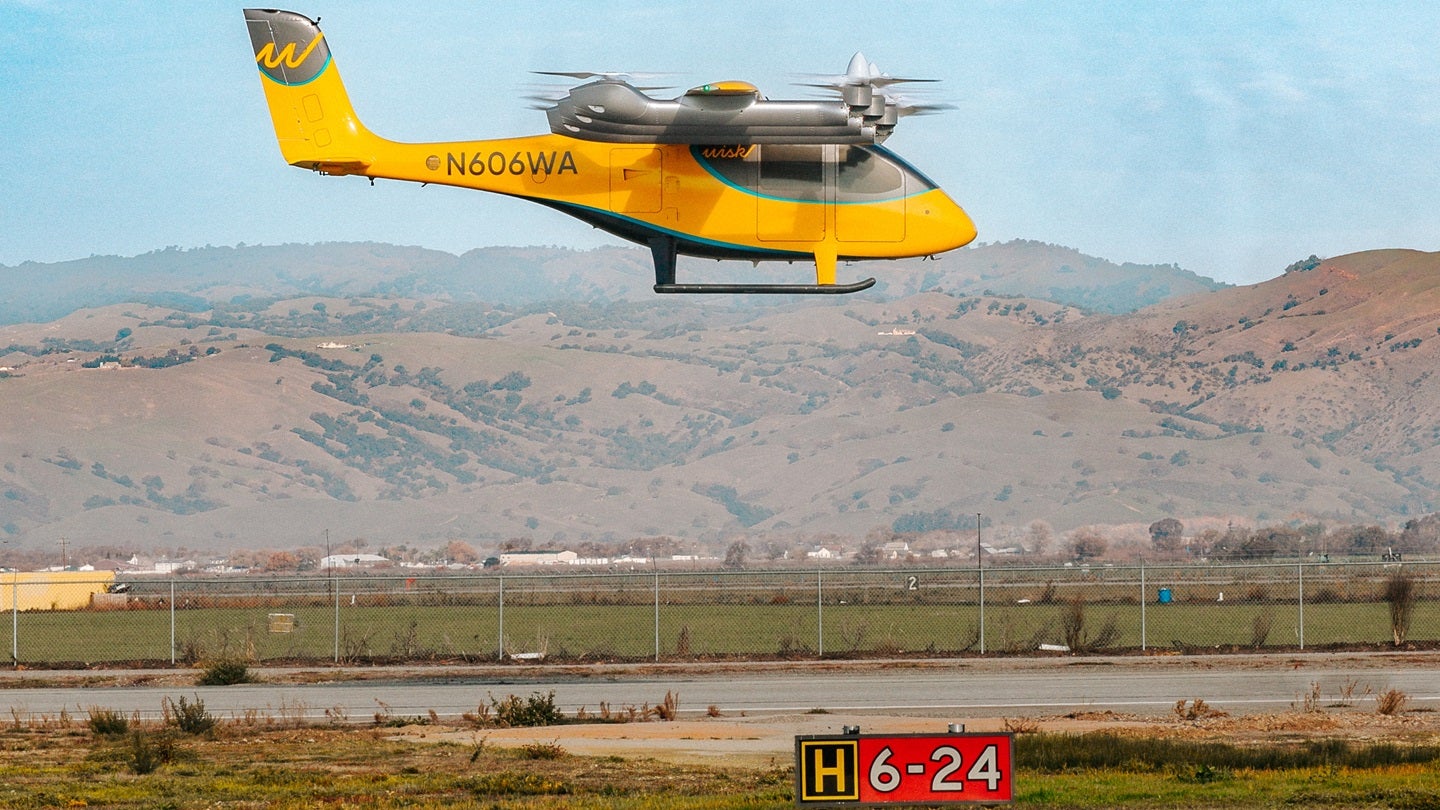
US-based Autonomous aviation company Wisk Aero has conducted the first flight of its Generation 6 (Gen 6) autonomous electric vertical take-off and landing (eVTOL) aircraft.
The company announced that the aircraft completed a vertical take-off, hover, and stabilised flight manoeuvres at Wisk’s test site in Hollister, California.
Discover B2B Marketing That Performs
Combine business intelligence and editorial excellence to reach engaged professionals across 36 leading media platforms.
Find out more
This flight marks the beginning of a series of tests for the Gen 6, which is under consideration for type certification and is part of Wisk’s ongoing project with the US Federal Aviation Administration (FAA).
Wisk reported that this Gen 6 model is the result of insights from its previous five aircraft generations and more than 1,750 earlier test flights.
The company describes Gen 6 as the first candidate for an FAA-certified commercial autonomous passenger aircraft in the US, with planned markets that include Houston, Los Angeles, and Miami.
Wisk stated that its eVTOL aircraft are fully electric and use autonomous technology, overseen by a ground-based multi-vehicle supervisor.
The firm claimed this oversight model is essential for achieving safety, scalability, and affordability.
Wisk CEO Sebastien Vigneron said: “This first flight is the moment our team has been working toward, and it is a powerful demonstration of the work, expertise, and commitment that have gone into the Gen 6 programme.
“Seeing Gen 6 take flight is an exciting moment for Wisk and the future of aviation. It reaffirms our belief in autonomy, and we are even more energised to continue the journey to bring safe, everyday flight to everyone.”
According to Wisk, this initial hover flight is a significant milestone as it moves forward with a flight test programme to further assess the Gen 6 design and systems performance.
Early test phases will concentrate on hover operations such as take-offs, landings, and low-speed manoeuvres before progressing to tests at higher speeds and altitudes.
Wisk also indicated that ongoing efforts to develop its autonomy capabilities, including detect-and-avoid functions and navigation systems.
The company is collaborating with organisations such as the FAA, Nasa, and SkyGrid to support airspace development related to autonomous flight.
Wisk board chairman and Boeing Commercial Airplanes product development vice-president Brian Yutko said: “The team at Wisk has built advanced technologies across flight controls, sensing, navigation, mission management, electric power, systems integration, and many others for a product that is designed to meet a rigorous safety case for a focused concept of operations.
“The engineering methods and technologies are all a valuable source of insight for Boeing as we work together and thoughtfully apply them to the future of flight.”