Disclosure – Program 5.0
Far beyond a model of economic organization, cooperativism has consolidated itself as one of the main tools for boosting the development of Brazilian agribusiness. Based on the union of producers, the sharing of knowledge and the search for collective results, the system has played a strategic role in strengthening national agricultural production.
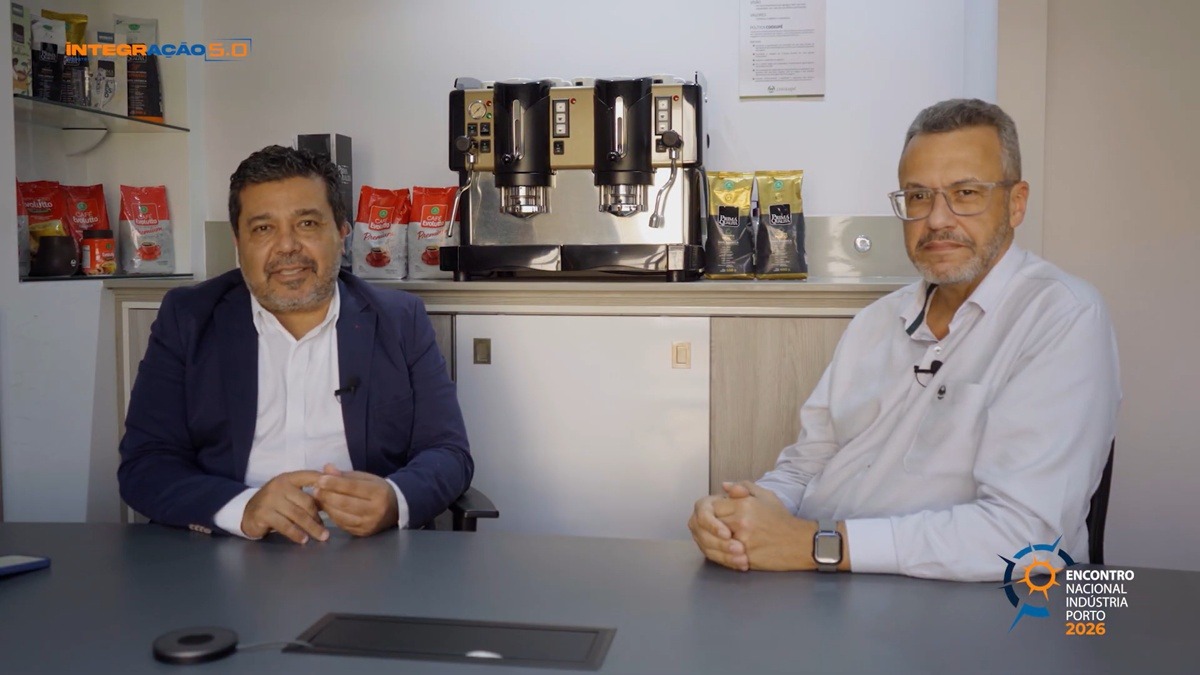
This was one of the topics covered by the program Integration 5.0which received Ronald, representative of Coxupéto present the cooperative’s trajectory and demonstrate how cooperativism has transformed the reality of thousands of coffee producing families.
Super Rectangle (728×90) – Position 17
During the interview, Ronald highlighted that cooperativism was born more than 180 years ago, in the city of Rochdale, England, when workers decided to join forces to face economic difficulties and improve their living conditions. Since then, the model has spread throughout the world and found a favorable environment for its growth in Brazil, especially in agribusiness.
According to him, the principle remains the same: people with common goals pool resources, share experiences and strengthen their ability to compete in the market.
Coxupé: almost a century of cooperativism
Founded in 1932, the Coxupé has become one of the largest coffee growers’ cooperatives in the world. Currently, it brings together around 22 thousand membersdistributed over approximately 360 municipalities from the states of Minas Gerais and São Paulo.
More than selling coffee, the cooperative offers a broad support structure to producers, including technical assistance, supply of inputs, professional training, financial solutions and access to the most modern technologies in the sector.
According to Ronald, this model allows small and medium-sized producers to have access to the same opportunities available to large agricultural companies, increasing their competitiveness both in the domestic market and in international trade.
Union that generates competitiveness
One of the main differences of cooperativism is the strength of the collective.
By bringing together thousands of producers under the same organization, it becomes possible to negotiate better commercial conditions, reduce production costs, increase investments in innovation and conquer more demanding markets.
In practice, this means greater negotiating power in the purchase of fertilizers, pesticides, agricultural machinery and other inputs, as well as better conditions for marketing production.
This gain in scale directly benefits rural producers, who now have greater financial stability and better growth prospects.
Development beyond production
Ronald highlighted that the role of the cooperative goes far beyond selling coffee.
Coxupé promotes permanent technical training, sustainability, rural management and family succession programs, encouraging new generations to remain in the countryside using increasingly modern technologies.
Another highlighted aspect was the distribution of the results obtained by the cooperative. Unlike traditional companies, a significant part of the so-called “leftovers” returns to the cooperative members, once again strengthening the local economy and stimulating new investments in rural properties.
This virtuous cycle means that the growth of the cooperative also represents growth for thousands of producing families.
Brazilian coffee gains strength in the world market
During the interview, Ronald recalled that Brazil remains the largest producer and exporter of coffee in the world, a position supported by factors such as quality, productivity and constant technological evolution.
In that scenariocooperativism plays a fundamental role in ensuring standardization, traceability, technical assistance and access to international markets, requirements that are increasingly valued by buyers.
According to him, producing quality coffee no longer depends solely on the farmer’s experience. Today, it involves planning, innovation, sustainability and permanent technical monitoring.
Cooperativism as a development tool
For Ronald, the success of Coxupé demonstrates that cooperativism continues to be one of the most efficient strategies to promote economic inclusion, regional development and strengthening Brazilian agribusiness.
By bringing together thousands of producers around common objectives, the model generates benefits that go beyond agricultural activity, boosting employment, income, innovation and quality of life in the communities where it is present.
By bringing this topic to the Integration 5.0the program shows that the cooperativism remains current and increasingly relevant in the face of the challenges of a globalized, competitive and constantly changing market.