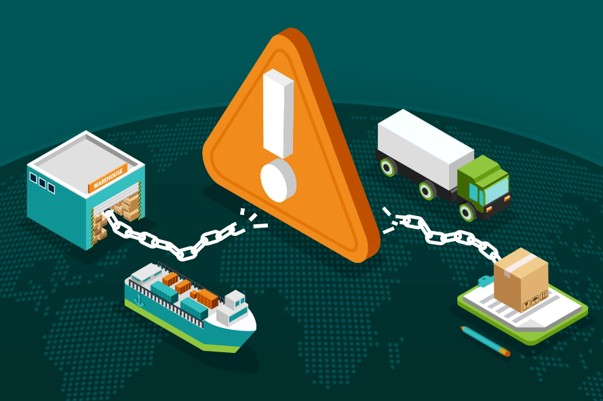

Stop-and-go traffic often gets treated as background noise in urban logistics. It slows routes, squeezes delivery windows, frustrates drivers, and keeps dispatch teams adjusting schedules throughout the day. The larger risk, however, builds in the space between one sudden stop and the next. In dense freight corridors, routine congestion can turn into vehicle downtime, claim activity, missed appointments, and service failures that reach well beyond a single route.
Read also: E-commerce Logistics and Last-Mile Delivery Innovations
Why Small Crashes Create Wide Delivery Fallout
A rear-end collision can look minor from the outside, especially when vehicles are still drivable and cargo appears untouched. For a logistics team, the disruption starts almost immediately. The driver may need to stop for a police report, photos, medical checks, insurer communication, and internal incident reporting. A route that was already running on a tight margin can fall behind in minutes.
That delay rarely stays contained. One missed delivery appointment can affect dock scheduling, customer availability, replacement driver planning, and the next route assigned to the same vehicle. If the vehicle needs inspection, repair, or towing, the issue shifts from a traffic delay to a capacity problem. In dense urban networks, where fleets depend on reliable timing and short turnaround windows, even a low-speed crash can trigger a chain of operational decisions.
The Last-Mile Pressure Point
Last-mile routes concentrate risk because they combine traffic density with constant decision-making. Drivers are watching for pedestrians, cyclists, buses, construction zones, loading access, double-parked vehicles, and customers expecting precise delivery times. A route can shift from predictable to chaotic within a single block.
Rear-end crashes often happen when traffic compresses. Vehicles bunch together, speeds rise and fall, and drivers have less room to react when conditions change suddenly. In that setting, following too closely becomes a practical operations risk, especially when one abrupt stop can remove a vehicle from service and disrupt the rest of the day’s route plan.
The challenge becomes harder to manage when dispatch systems reward speed without accounting for street-level friction. A route that looks efficient on a screen may send drivers through repeated braking points, difficult turns, school zones, or commercial corridors where parking and curb access change by the hour. The safest route is not always the shortest one.
Regional Context Can Shape the Aftermath
Chicago gives logistics teams a useful example of how regional conditions can shape what happens after a crash. When a front-to-rear collision affects a driver, vehicle, or delivery schedule in that metro environment, injuries, downtime, or fault questions can make a rear-end collision lawyer for Chicago car accidents relevant within the broader claims picture.
The same type of incident can create different operational pressures across nearby markets such as Indiana or Wisconsin, or in more distant regions such as Texas, California, or the Southeast. Traffic density, delivery windows, repair access, customer expectations, and insurer communication all influence how quickly a company understands the disruption and brings the route plan back under control.
For freight and last-mile operators, the larger point is straightforward: crash planning should reflect the regions where vehicles actually operate. A standard response checklist is useful, but urban routes often need clear reporting habits, fast documentation, and coordination between drivers, dispatch, safety teams, and insurance contacts.
Turning Crash Risk Into a Measurable Operations Issue
Rear-end collision risk becomes easier to manage when companies treat it as part of everyday performance tracking. Hard-braking events, near misses, route-level congestion, vehicle downtime, claim frequency, and repeat incident locations can reveal patterns that a basic delivery report might miss.
Telematics and dashcam footage can help safety teams see where drivers face the most pressure. A route with frequent braking may need schedule adjustments, different sequencing, or more realistic delivery windows. A driver with repeated close-following events may need coaching before a crash occurs. When those signals are reviewed consistently, driver risk mitigation becomes part of daily route planning rather than a separate safety initiative.
The goal is not to turn every traffic delay into a formal incident. It is to recognize when repeated friction on the road is creating predictable exposure. Fleets that spot those patterns early are better positioned to protect drivers, keep vehicles moving, and reduce disruption before it reaches the customer.
Prevention Starts Before the Route Begins
The strongest crash-prevention habits are built before a vehicle leaves the yard. Dispatch teams can reduce pressure by creating routes that account for congestion, loading delays, weather, parking limits, and realistic stop times. When schedules leave no room for street-level disruption, drivers are more likely to feel rushed through the most unpredictable parts of the route.
Vehicle condition matters as well. Brakes, tires, lights, mirrors, sensors, and camera systems all support safer decisions in traffic that changes quickly. A missed maintenance issue can turn a manageable stop into a collision, especially when a driver is moving through dense streets with limited space to react.
Training should stay practical. Drivers need clear expectations around following distance, speed control, phone use, fatigue, and route-hazard reporting. The message lands better when safety is tied to real route conditions instead of generic reminders. A driver who understands the risk points on a route can make better decisions before traffic forces a split-second reaction.
A Stronger Plan for City Routes
A rear-end crash will never be fully preventable in crowded city traffic, but its impact can be reduced. The difference often comes down to preparation. Fleets that document incidents quickly, preserve route data, communicate clearly with insurers, and adjust dispatch plans in real time are less likely to let one crash derail an entire day of deliveries.
Resilience also depends on how companies review what happened after the immediate disruption passes. A collision report should not sit in a file without shaping future decisions. If the same corridor, time window, or delivery pattern keeps creating risk, the route plan deserves another look.
Stop-and-go traffic will remain part of urban logistics. Companies that manage it well treat it as a planning challenge, a safety concern, and a supply chain risk that deserves steady attention before it turns into lost time, damaged equipment, or missed commitments.