
A Wave of New Deep Seaport Projects Catches on in West Africa
The Asia-Africa trade lane has been one of the fastest-growing container shipping corridors globally in the past few years. The growth is supported by...
The Asia-Africa trade lane has been one of the fastest-growing container shipping corridors globally in the past few years. The growth is supported by soaring import demand in Africa as countries in the region develop industrial capacity. Unfortunately, the surging imports have put a strain on old port infrastructure, especially in West Africa. To catch up, governments in the region are fast-tracking approval processes for deep-water port projects.
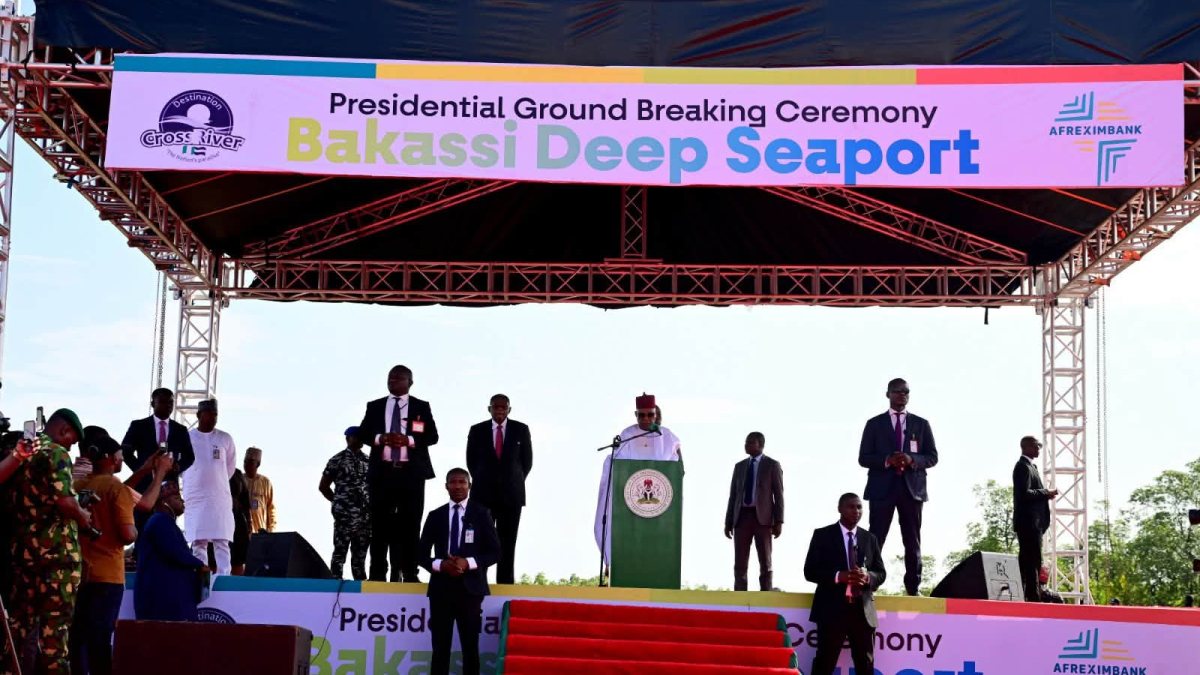
In the past week, Nigeria and Ghana have made significant progress in their port expansion efforts. After a decades-long wait, Nigeria is moving ahead with the construction of the Bakassi Deep Seaport in Cross River State. A groundbreaking ceremony was held on Friday, led by the country's Vice President, Kashim Shettima.
The port project was initially conceived in 2014 but was delayed by a slow regulatory process. With a proposed draft of 20 meters, the facility is set to become one of Nigeria's deepest ports. Currently, Nigeria is unable to accommodate ultra-large container vessels, as its major ports have shallow-water access. This has seen Nigerian-bound cargo transhipped through Lomé in Togo and Tema in Ghana.
Speaking at the groundbreaking ceremony, Nigerian Ports Authority (NPA) CEO Abubakar Dantsoho recognized Nigeria's need to match economic growth with port modernization. Nigeria's main trade gateway, Apapa Port, is approximately 100 years old. To keep up with the evolving demands of international shipping, Nigeria needs to urgently modernise its existing brownfield ports while simultaneously developing greenfield deep-sea ports, added Dantsoho.
This story was originally published by The Maritime Executive. Read the full story at The Maritime Executive →
Conversation