
Adapt Towards Autonomy
As assortments change and order flows become more complex, warehouse automation must connect planning, flexible workflows and ongoing operations. Changing assortments, more varied order profiles and persistent labour constraints are making warehouses harder to…
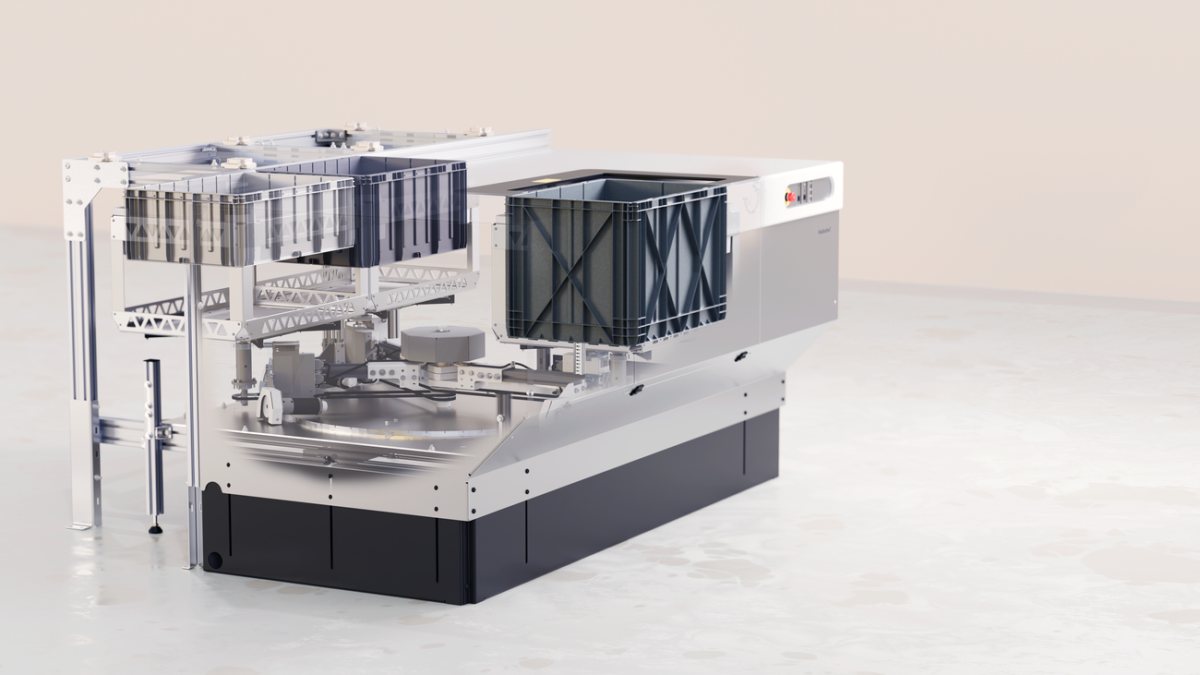
As assortments change and order flows become more complex, warehouse automation must connect planning, flexible workflows and ongoing operations.
Changing assortments, more varied order profiles and persistent labour constraints are making warehouses harder to plan and operate. Space is also at a premium. For logistics leaders, the challenge is not simply to automate more tasks, but to ensure that processes work together as requirements change. Automation can improve speed and efficiency, but isolated solutions can leave manual handoffs between storage, picking, packing and dispatch. Those handoffs create extra handling and can shift bottlenecks downstream. The more useful question is therefore how automation can make the entire operation more adaptable without compromising performance.
AutoStore’s Fall 2026 announcement frames this development as a move ‘from automation toward autonomy’. This is a direction of travel, not a claim that warehouses are fully autonomous today. The practical aim is to use connected hardware, software and operational data to support better decisions across the system lifecycle: before investment, during daily operations and after go-live.
Automation projects often have to balance present requirements with uncertain future demand. Designing only for a theoretical peak can result in unnecessary capacity, while underestimating changes in assortment or order mix can restrict an operation later.
This story was originally published by Logistics Business. Read the full story at Logistics Business →


Conversation