
Arabian Sea Ports are Booming as the Conflict Drags On
As the conflict in the Gulf continues, with shipping disrupted in the Strait of Hormuz, logistics companies are not waiting for the war to end and for...
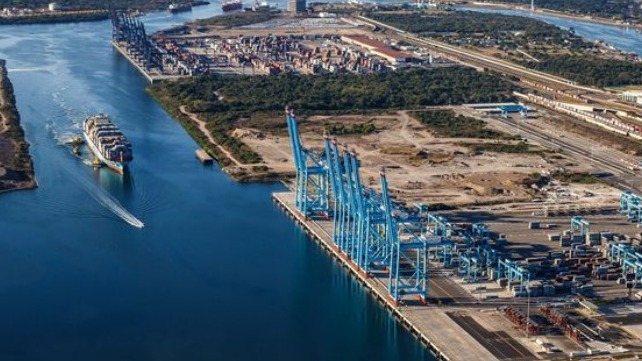
As the conflict in the Gulf continues, with shipping disrupted in the Strait of Hormuz, logistics companies are not waiting for the war to end and for peace to break out, but are instead adapting to the new risk realities. The world of commerce is always looking for new shipping and logistics routes to overcome obstacles, each striving for better ways of doing business than those offered by rivals and competitors.
In many respects, private enterprise is better at finding cost- and time-optimized solutions than government planners, tending to uncover better solutions more quickly than any government-led initiative would. The best solutions in these circumstances tend to be where private enterprise identifies the need, develops a new trade route, and then seeks government help to speed things up, removing obstacles and bureaucratic delays.
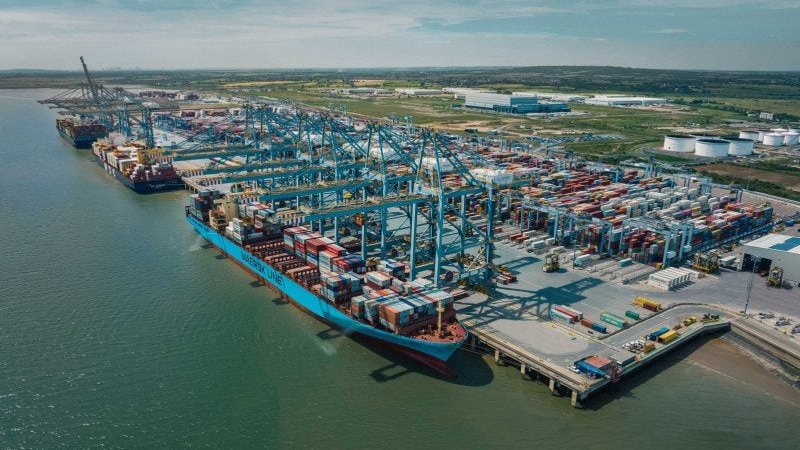
AD Ports Group and Gulftainer operate the ports on the UAE's Gulf of Oman coast, at Fujairah, Khor Fakkan and Dibba. TEU traffic from these ports to inland distribution centers, in particular Jebel Ali, has reached about 3,500 TEU per day, representing a 30% increase in traffic within 3Q26 alone. Since the war began in earnest, DP World has moved more than 1 million TEUs from Emirati east coast ports to Jebel Ali.
This story was originally published by The Maritime Executive. Read the full story at The Maritime Executive →
Conversation