
AS/RS Is Changing How Warehouses Use Space
For most of the last century, warehouse capacity was measured on the floor. More inventory meant more racking, more aisles, and eventually a bigger building. Automated storage and retrieval systems (AS/RS) have changed that…
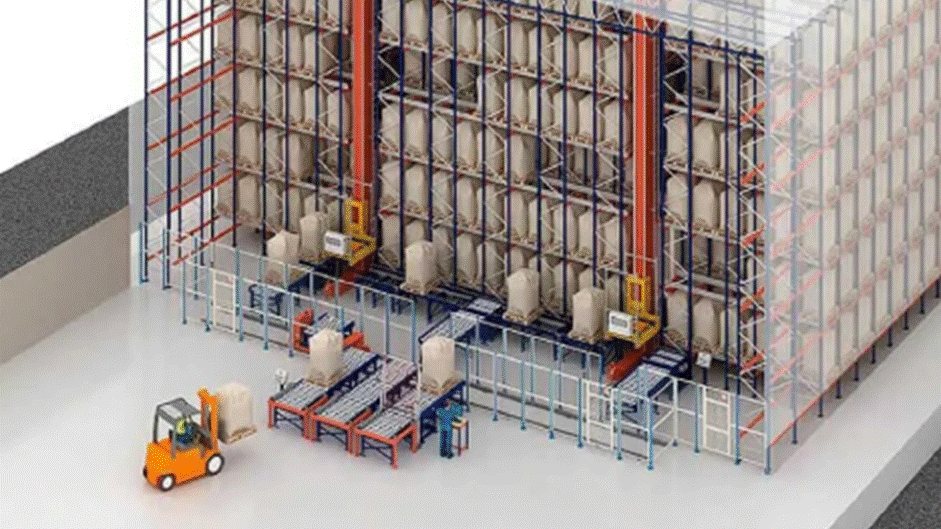
For most of the last century, warehouse capacity was measured on the floor. More inventory meant more racking, more aisles, and eventually a bigger building. Automated storage and retrieval systems (AS/RS) have changed that calculation. By putting inventory into dense, machine-served structures and bringing it to people instead of sending people to it, AS/RS lets operators grow capacity upward and inward rather than outward.
In the first two parts of this series, we looked at why the warehouse operating model is under pressure and what automation really costs. This article looks at the technology that often anchors those investments, and at the questions that decide whether it delivers.
AS/RS is not a single product. The category includes unit-load cranes that handle full pallets in high-bay buildings, mini-load systems for totes and cartons, shuttle systems that run on each rack level, vertical lift modules and carousels for small parts, cube-based grid systems that stack bins on top of each other, and robotic systems in which mobile robots drive across the floor and climb the racks themselves.
Each design reflects different priorities. Cranes and shuttles are built for high, steady throughput in fixed aisles. Cube-based systems maximize density by removing aisles almost completely. Robotic, rack-climbing systems trade some density for flexibility, with the fleet able to grow or shrink as needs change. The right choice depends less on which technology is “best” and more on what the operation needs to do.
This story was originally published by Logistics Viewpoints. Read the full story at Logistics Viewpoints →

Conversation