
Atlas Air, Sharp add third cargo terminal at Incheon, develop MRO facility
With the addition of Cargo Terminal 3, AACT, established by Atlas and Sharp in 2007, now operates three cargo terminals at Incheon, providing nearly 49,000 square meters of dedicated cargo infrastructure and annual handling…
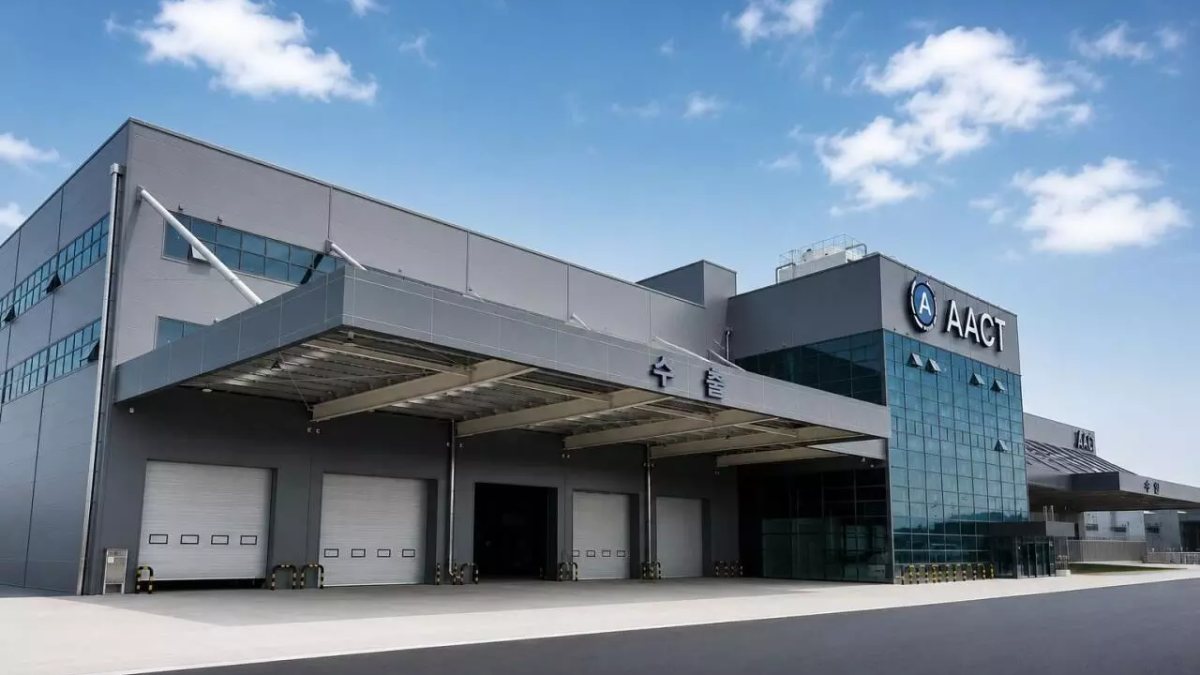
Atlas Air Worldwide and Sharp Aviation K are advancing their nearly 20-year partnership at Incheon International Airport (ICN) with two significant developments: the opening of a third cargo terminal through their joint venture, Atlas Air Cargo Terminals (AACT), and the development of a dedicated four-bay widebody maintenance facility through Atlas Air Technical Services (AATS). Together, these investments expand Atlas’ cargo handling and aircraft maintenance capabilities, reinforcing Incheon’s role as a strategic hub for Atlas and its customers across the Asia-Pacific region.
The latest milestone is the opening of Cargo Terminal 3, which adds 19,320 square meters (208,000 square feet) of cargo space and 180,000 tons of annual handling capacity. Slated to be operational on November 2, the facility also expands Atlas’ capabilities in specialised cargo markets, including pharmaceuticals, with a dedicated 2,900-square-meter cool-chain complex and enhanced cargo handling capabilities designed to meet evolving customer needs.
With the addition of Cargo Terminal 3, AACT, established by Atlas and Sharp in 2007, now operates three cargo terminals at Incheon, providing nearly 49,000 square meters of dedicated cargo infrastructure and annual handling capacity exceeding 460,000 tons.
Building on this expansion, Atlas and Sharp are also advancing the development of Atlas Air Technical Services (AATS), a dedicated four-bay widebody maintenance facility at Incheon. Expected to become operational in 2027, the facility will build on existing maintenance support capabilities and provide dedicated commercial freighter maintenance services for Atlas and its customers, further strengthening the Company’s operational capabilities throughout the Asia-Pacific region.
This story was originally published by STAT Times. Read the full story at STAT Times →


Conversation