
Bipartisan push possible to curb Trump tariffs
Three bills in Congress would significantly restrict presidential tariff power if they become law, and experts say there's appetite for change in trade policy.
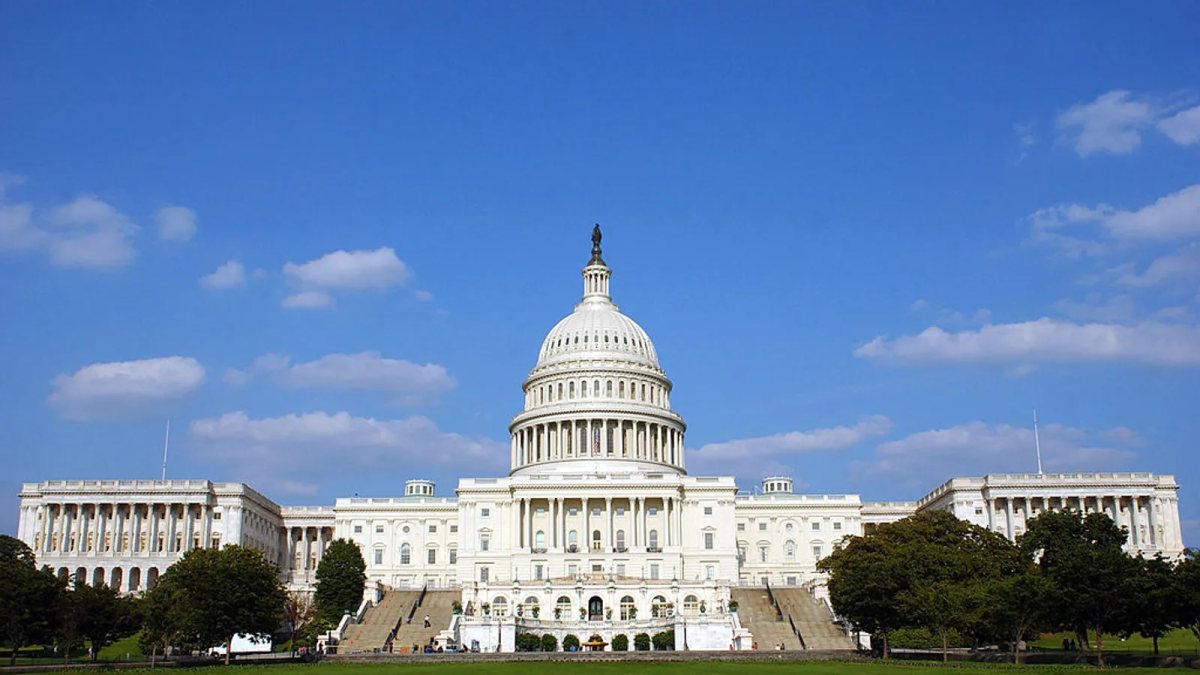
Three bills in Congress would significantly restrict presidential tariff power if they become law, and experts say there’s appetite for change in trade policy.
Democrats’ takeover of Congress next year might open the door to challenging President Donald Trump’s tariffs, so businesses should watch closely whether lawmakers can build the bipartisan support needed to play a larger role in controlling duties, trade lawyers told Supply Chain Dive.
Under the existing legal framework, Trump can use considerable discretion in setting tariff rates under Sections 232, 301 and 338. Trump has invoked Section 232 to impose a 50% levy on steel and aluminum from Canada and Mexico and Section 301 to institute tariffs of 10% or 12.5% on imports from 60 trading partners. He has used Section 338 to impose a 50% tariff on a wide range of Canada goods.
While Congress has failed to push back markedly to date, businesses should watch the progress of three bills — S. 5390 and S. 1272 in the Senate and H.R. 7557 in the House, said Mark Ludwikowski, chair of Clark Hill’s International Trade Practice. All three, including two bipartisan-backed bills, would significantly restrict presidential tariff power.
This story was originally published by Supply Chain Dive. Read the full story at Supply Chain Dive →



Conversation