
Can a US-Approved Sale Clean a Shadow Fleet Tanker?
On October 19, US Energy Secretary Chris Wright told an audience in New York that Washington would move some ships from "the bad-guy fleet to the good...
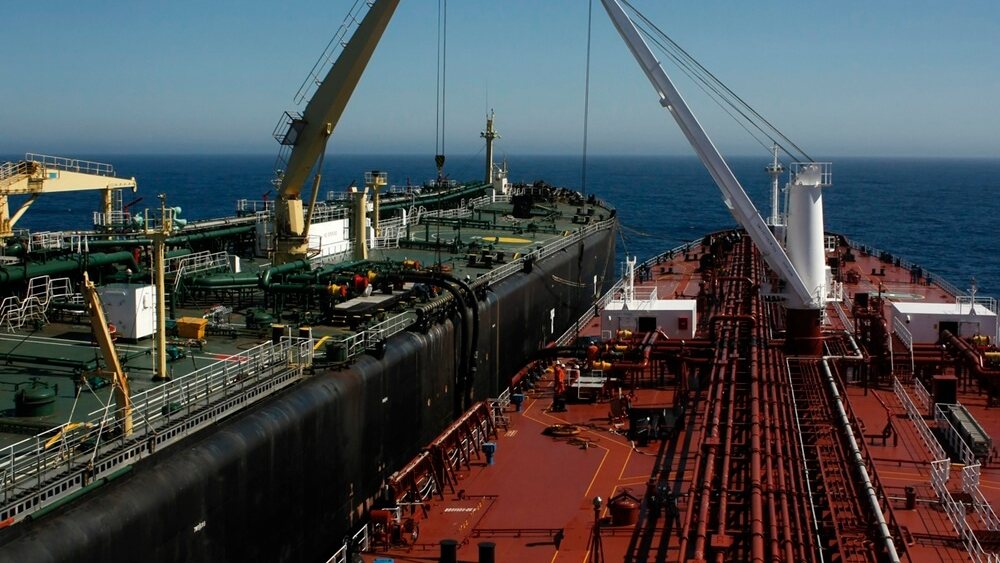
On October 19, US Energy Secretary Chris Wright told an audience in New York that Washington would move some ships from "the bad-guy fleet to the good-guy fleet." "We are converting dark tankers to legitimate tankers," he told Bloomberg. "There is no removing of sanctions."
The idea is simple. Investors buy idle sanctioned tankers, repair them and put them to work carrying oil that is not under sanctions. With tanker rates high and a 15-year-old suezmax reportedly worth about four times its 2021 value, there is money to be made. According to Reuters, a US official familiar with the discussions has said Washington is considering lifting sanctions on individual tankers, case by case. That sits uneasily with Wright's own words about not removing sanctions, and the gap between the two messages is part of the problem.
No written rule or licence has been published yet. But whatever form the scheme takes, one question will decide whether these ships really return to mainstream trade: who will insure them?
A change of owner does not change any of this. Nor does a decision in Washington. The EU and the US keep separate lists. The problem bites hardest for tankers that appear on both. A tanker that OFAC has cleared can stay on the EU list, and while it does, an EU insurer cannot cover it, an EU broker cannot place the risk and an EU port cannot let it in. The UK keeps its own list of sanctioned ships, with its own rules and its own procedure for removal.
This story was originally published by The Maritime Executive. Read the full story at The Maritime Executive →
Conversation