
Companies are experimenting with the digital product passport
The European Union requires products to be issued with a digital product passport. This helps consumers compare products based on...
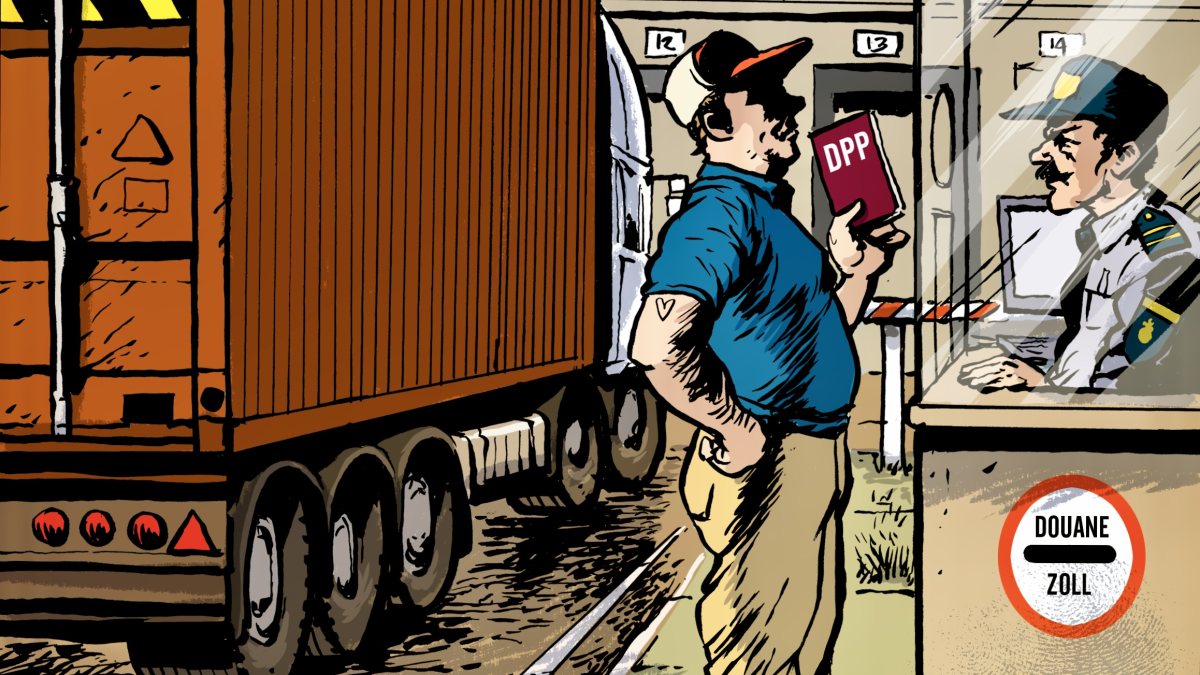
The European Union requires products to be issued with a digital product passport. This helps consumers compare products based on sustainability and simplifies processing and recycling. Companies such as AS Watson, Trust and BME see major benefits in a product passport, but are facing a number of practical challenges which could have been prevented with a little more guidance from Brussels.
There is rapidly growing interest in biobased building materials such as timber, wood fibre insulation and hemp boards. Their environmental impact during the production phase is relatively low, and in some cases is even negative as the plants and trees they are made from absorb CO₂ from the air during their growth phase.
However, according to John Tros, Senior Vice President of Operations and Environmental Taskforce Lead at Building Materials Europe (BME), it is too simplistic to assess the sustainability of building materials solely on the basis of the production phase. “A material may score well during the production phase, but that does not automatically mean it is the most sustainable choice over its entire life cycle,” he says. “If you also consider the use phase and the demolition and processing phases, a much more nuanced picture of a product’s sustainability often emerges.”
This story was originally published by Supply Chain Movement. Read the full story at Supply Chain Movement →



Conversation