
Design the Human-Machine System: Automation, Robotics, and Human-in-the-Loop
Automation is easy to admire in isolation. The harder question is what it does to the operating system around it. A robot, sorter, autonomous vehicle, optimization engine, or AI agent changes process flow, exception…
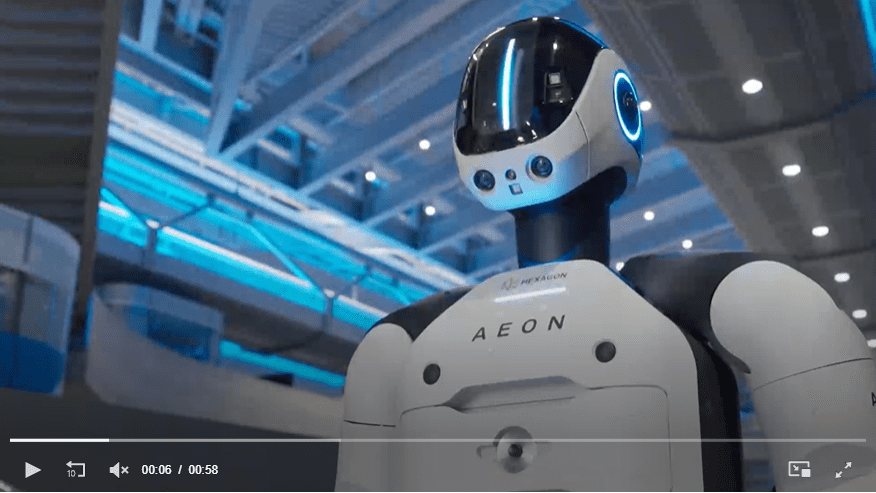
Automation is easy to admire in isolation. The harder question is what it does to the operating system around it. A robot, sorter, autonomous vehicle, optimization engine, or AI agent changes process flow, exception patterns, skills, maintenance, data, and decision rights at the same time.
Those are legitimate questions, but they are not enough. Automation changes the operating system. It changes process flow, exception patterns, maintenance requirements, skills, decision rights, safety considerations, data needs, and the role of the people who remain. That makes automation a systems design problem. The AI-agents-in-logistics discussion makes this human-machine boundary operational: the key design question is not whether software can act, but which classes of action it should own under defined guardrails.
A familiar warning in technology projects is not to automate a bad process. In logistics networks, the warning deserves more attention because physical automation is expensive and relatively inflexible after deployment.
If a warehouse process contains unnecessary movement, unclear priorities, poor slotting, or unstable order-release logic, automation may simply lock those problems into equipment and software. If a transportation-approval workflow includes unnecessary handoffs, an AI agent can make the recommendation instantly and still wait in the same approval queue.
This story was originally published by Logistics Viewpoints. Read the full story at Logistics Viewpoints →
Conversation