
El Niño is a dynamic disruption
Intermodal Weekly Market Report
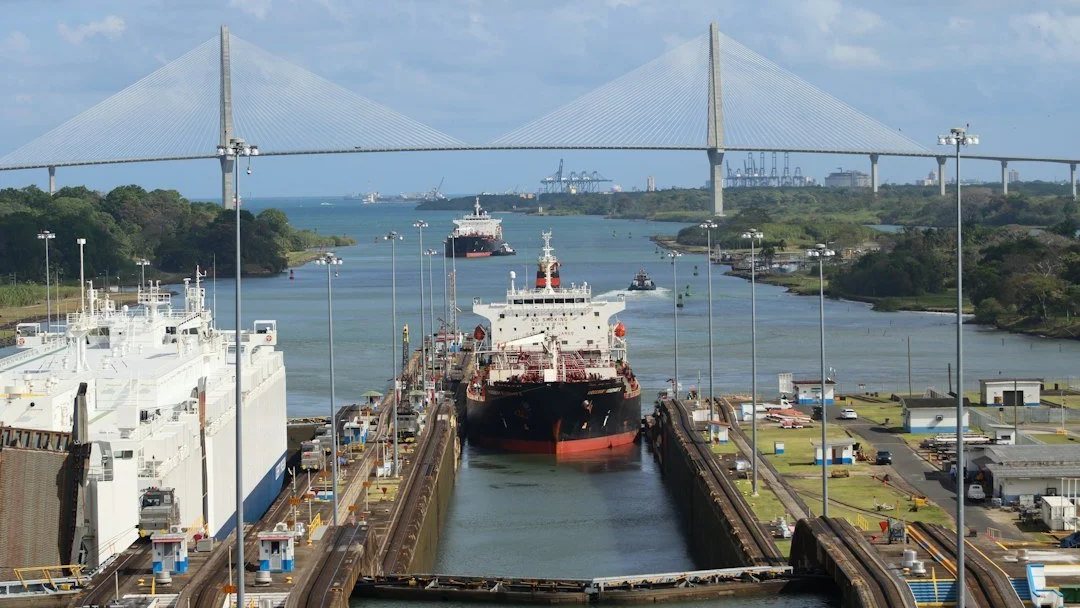
With El Niño now established and forecasters pointing to a strong event, the question for shipping is where it affects freight first. Timing matters as much as strength: the largest effects on crops, water levels and trade usually arrive in the first half of the following year, which places the main freight impact in 2027.
El Niño is a dynamic disruption and its effects vary by region. Drier conditions are expected across Central America, including the Panama Canal watershed, while the impact on Brazil is different by region, with drier conditions in the central and northern grain producing states. Argentina and the southern United States, by contrast, tend to receive more rain. India, Southeast Asia and Australia are set to face droughts.
For dry bulk, the canal is the most direct link. The Panama Canal Authority, after cutting daily transits to 32 in September - only the second such reduction in history, eased restrictions following late-September rain. The relief, though, may not last. Panama’s meteorological institute expects the dry season to begin as early as the second half of November, cutting into what is normally the wettest month, when Gatun Lake is replenished. The Authority projects an average of 29.5 crossings a day over the coming fiscal year. It is also auctioning long term slots for the older Panamax locks for the first time, covering January to early April 2027. Rerouting is already visible, as deviation through the Strait of Magellan rose sharply in August and September, supporting Panamax and Kamsarmax utilisation, even when volumes are flat.
This story was originally published by Breakwave Advisors. Read the full story at Breakwave Advisors →
Conversation