
Eni, Fincantieri and RINA present the second edition of the Sustainable Maritime Transport Outlook
The transition is not progressing at the same pace everywhere. The main divide is not technological, but regulatory: while Europe is driving decarbonisation through binding measures, the lack of clear…
The transition is not progressing at the same pace everywhere. The main divide is not technological, but regulatory: while Europe is driving decarbonisation through binding measures, the lack of clear obligations and incentives at global level is holding back investment by shipowners. There is no single solution: LNG and biofuels are already viable options for the short and medium term, while synthetic fuels will be essential to meet the 2050 targets
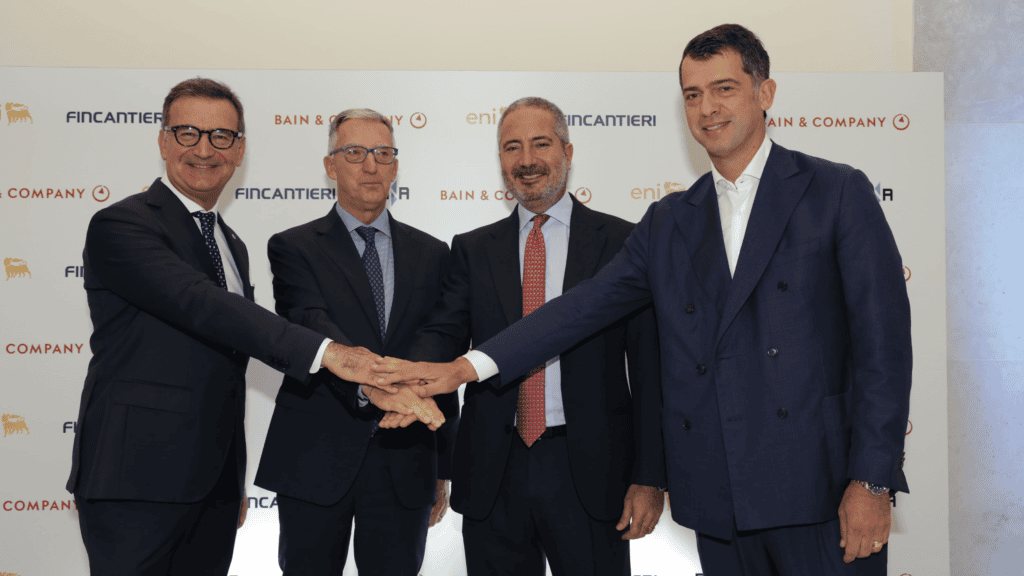
Rome, 11 November 2026 – Eni, a global energy company, Fincantieri, a global leader in the construction of high-complexity ships, and RINA, the global inspection, certification and consulting engineering multinational group, today presented in Rome the second edition of the Sustainable Maritime Transport Outlook, developed with the technical support of Bain & Company Italy.
The Outlook provides a global overview of solutions for decarbonising maritime transport, comparing different technology and fuel options in terms of their emissions reduction potential, maturity, infrastructure availability and the evolution of their Total Cost of Ownership through to 2050. The quantitative analysis is supported by a broad range of interviews with operators and stakeholders across the value chain, including shipowners and operators representing around 40% of the container market and 20% of the cruise market, engine and propulsion technology suppliers accounting for more than 80% of the ICE market, as well as ports and industry associations. Together, these interviews provide a clear picture of market realities.
This story was originally published by All About Shipping. Read the full story at All About Shipping →

Conversation